Bitcoin reaches $81K as US bond yields rise amid global oil concerns
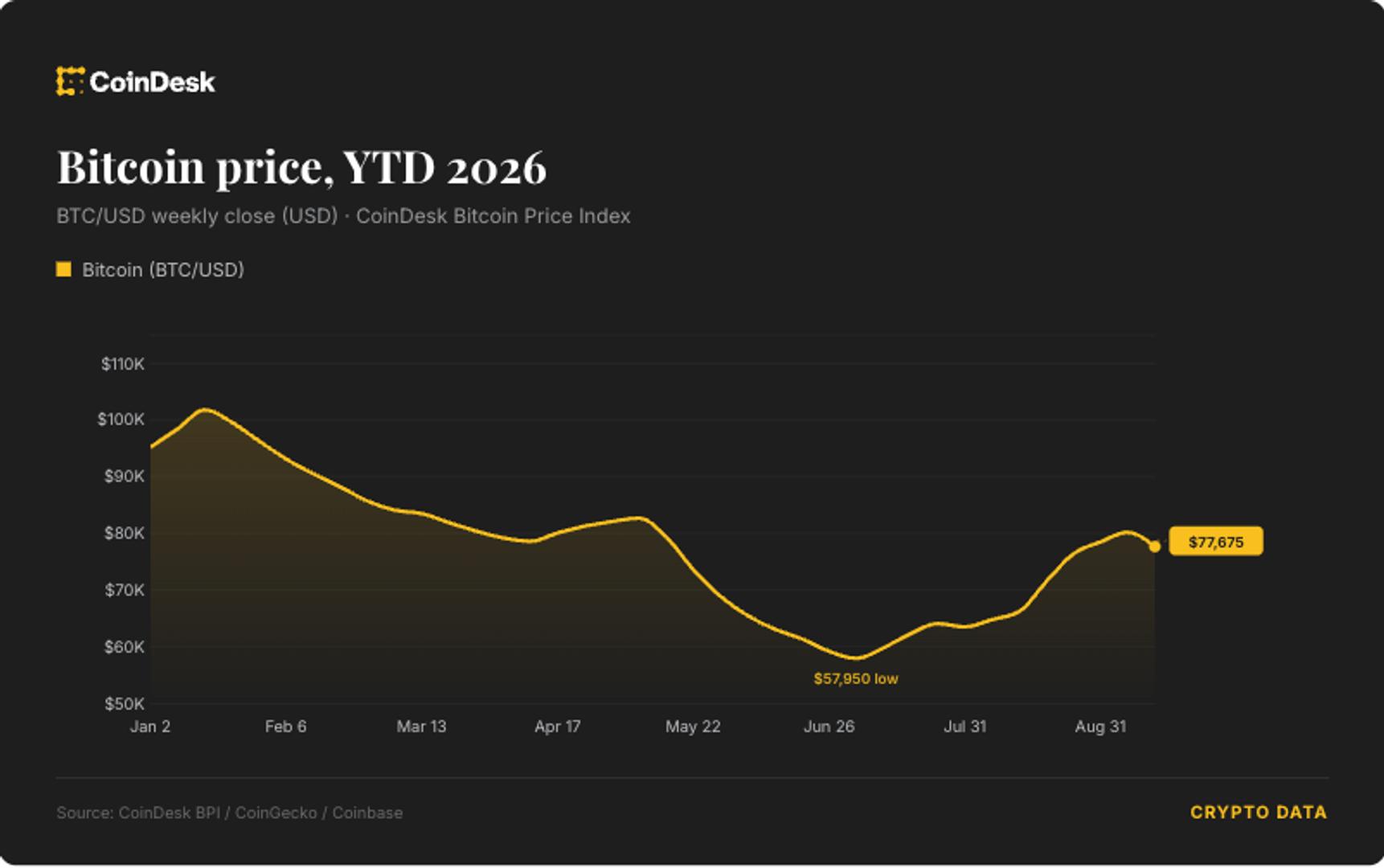
Bitcoin climbed to $81,000 early in Friday’s Wall Street session as US 30-year bond yields resumed rising. Cointelegraph linked the market backdrop to global oil concerns.
See the market, related assets, source and summary before opening a story so you can focus on what matters.
81 stories in this section
Bitcoin climbed to $81,000 early in Friday’s Wall Street session as US 30-year bond yields resumed rising. Cointelegraph linked the market backdrop to global oil concerns.
Bitcoin recorded modest gains near $76,500 as US stocks rebounded after the Federal Reserve delivered its first interest-rate hike since July 2023, according to Cointelegraph.
Bitcoin made modest gains near $76,500 while US stocks rebounded after the Federal Reserve delivered its first interest-rate hike since July 2023, according to Cointelegraph.
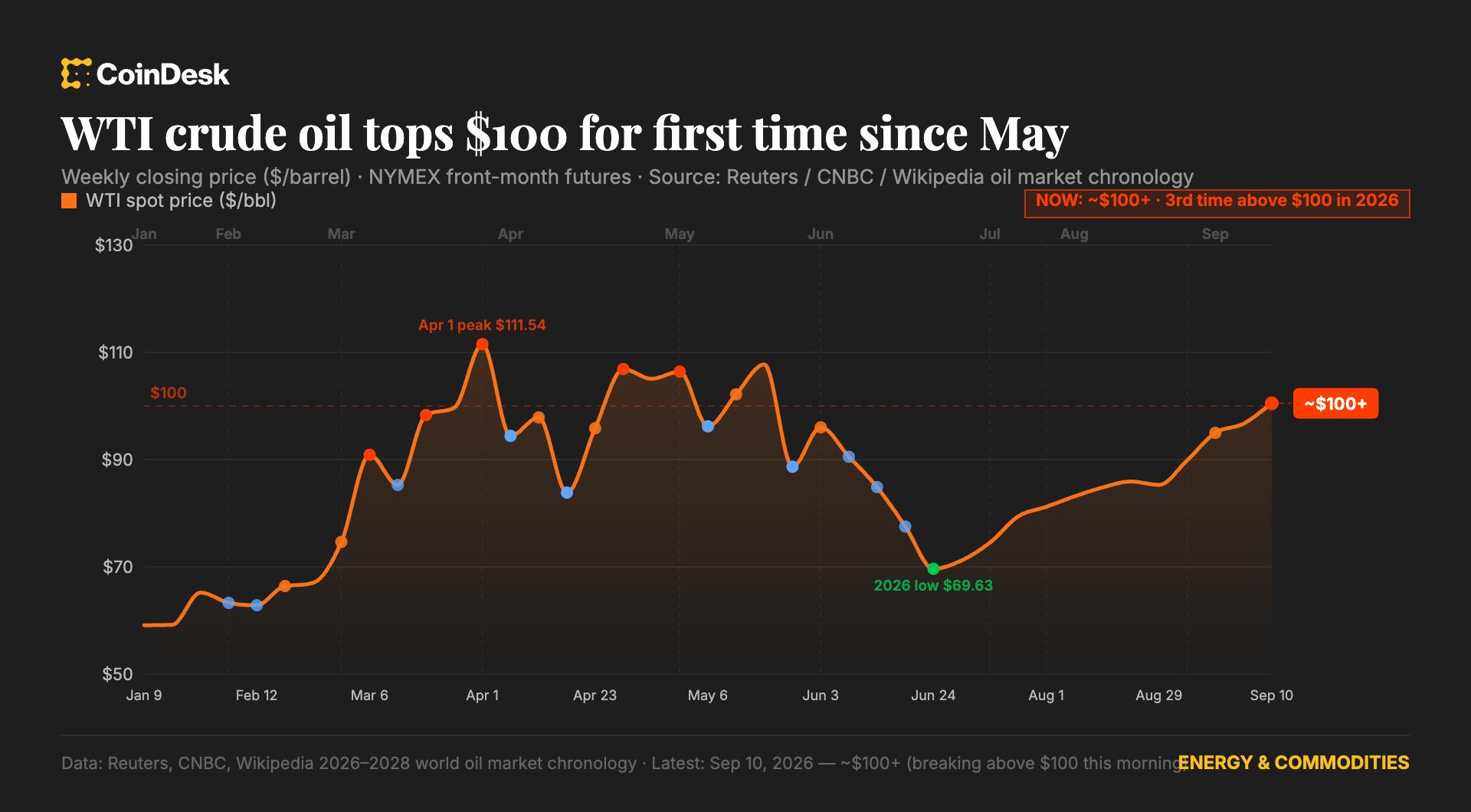
Record U.S. diesel prices could add to consumer inflation and reinforce expectations of further Federal Reserve rate hikes as the central bank responds to an oil supply shock. Bitcoin and gold are struggling.
A CLARITY victory could attract Bitcoin buyers, but CryptoSlate says oil prices and real yields may determine whether any recovery lasts, potentially leaving BTC constrained around $76,000.
USDT was reportedly involved in a failed oil trade that cost a Polish energy giant $230 million in late 2023, according to the Financial Times. The transaction links stablecoin use with a major commodity-market deal.
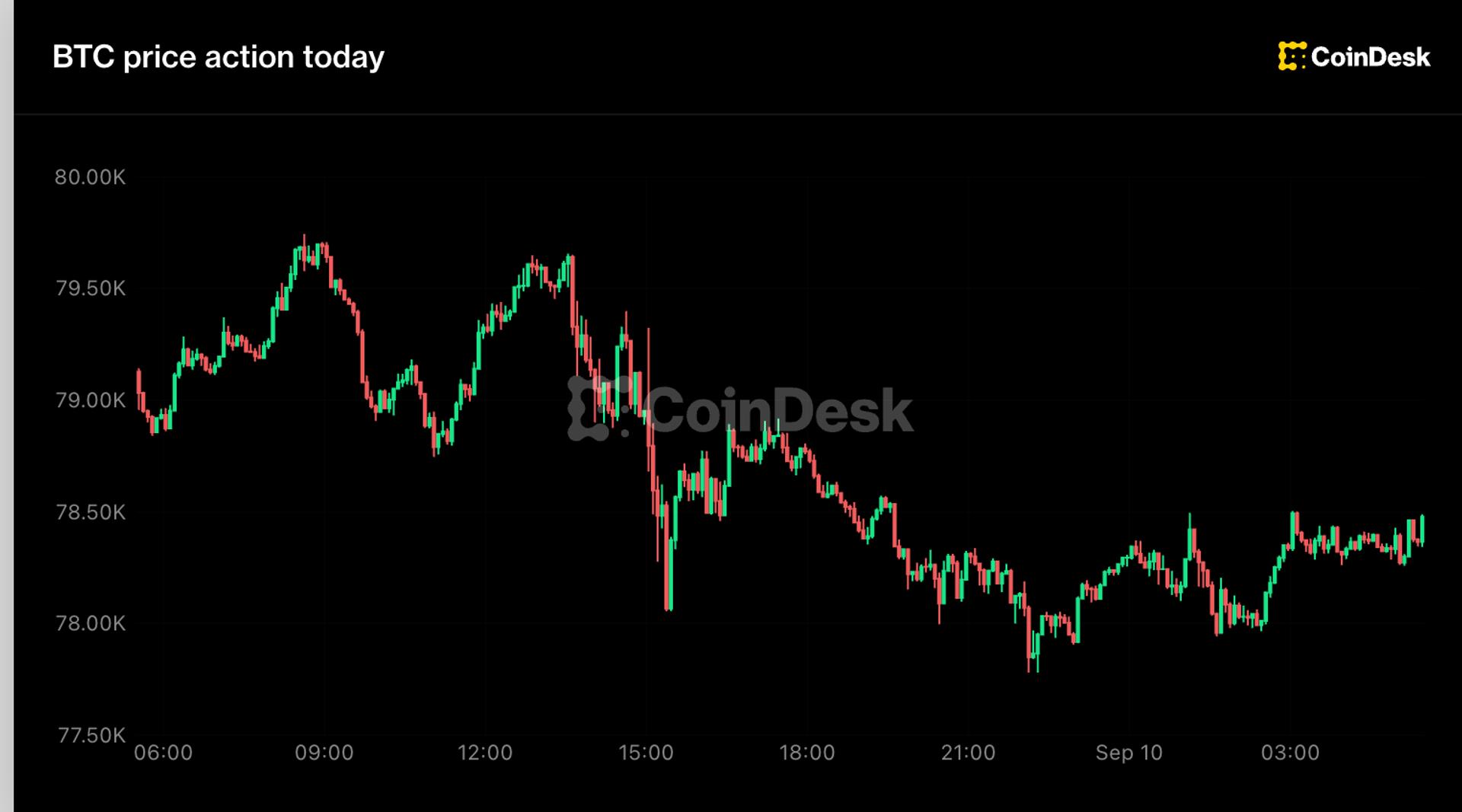
Bitcoin fell back to $77,800 from $79,000 as the Senate prepared to vote on the Clarity Act. CoinDesk also noted rising oil prices, with Brent and WTI among the related market assets.
Bitcoin rose above $77,000 as AI safety concerns pressured technology shares. Rising oil prices added to broader market pressure, according to CoinDesk.
Bitcoin may remain vulnerable as rising yields and oil prices shape market sentiment ahead of the U.S. inflation report, according to CoinDesk’s Sept. 11 market preview.
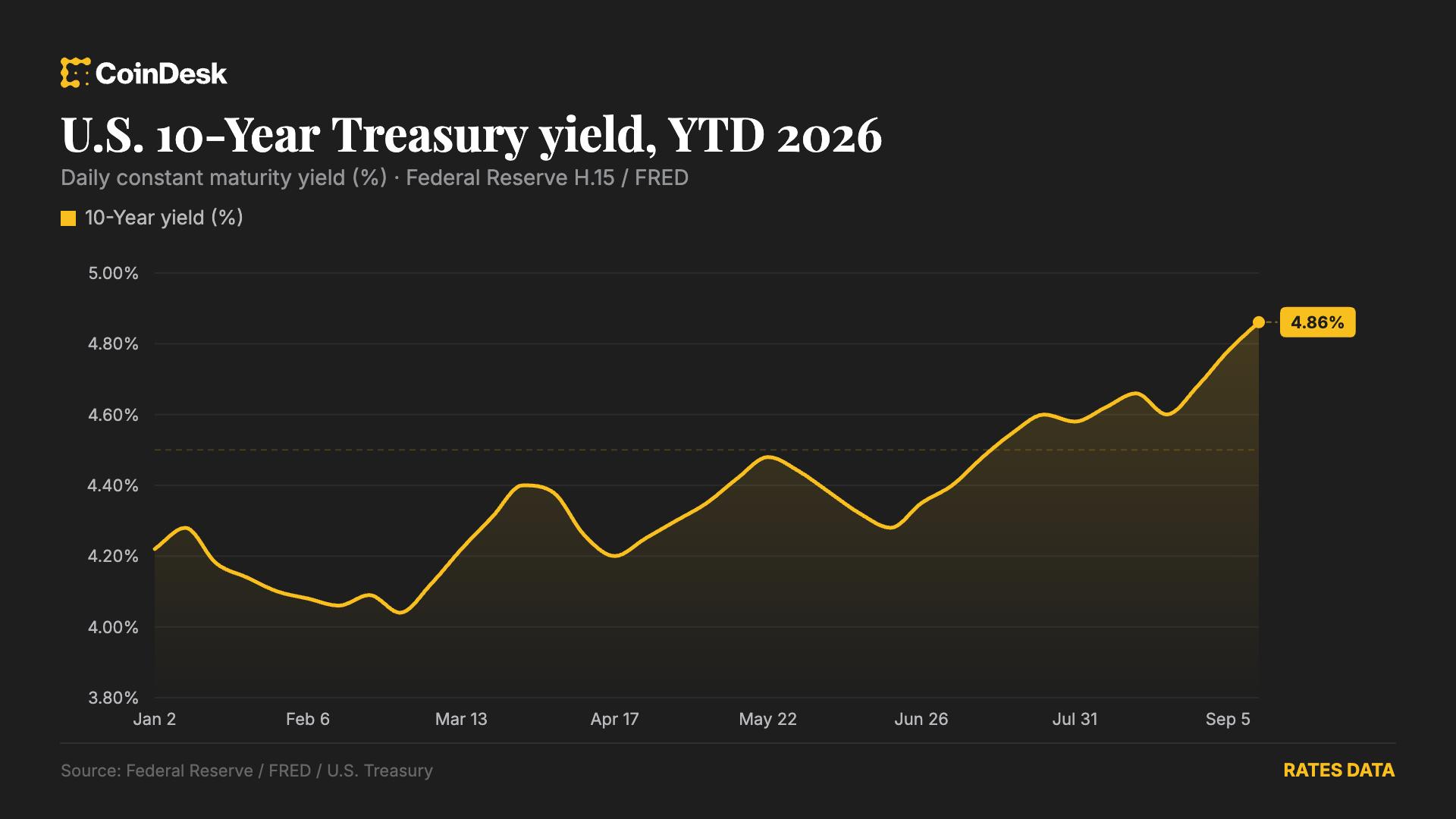
Long-term U.S. Treasury yields rose despite a $6 billion buyback, with persistent debt concerns and higher oil prices continuing to pressure global bond markets, CoinDesk reported.
Bitcoin is trading near $78,000 as markets weigh potentially underpriced macro risks. CryptoSlate points to CPI data, central-bank developments and oil-market moves as factors that could determine whether BTC breaks its current range.
Bitcoin declined as the ECB raised rates and U.S. core PPI eased but stayed elevated. Treasury yields and oil prices also extended their rises, reaching new cycle highs on Thursday.
Bitcoin traded near $78,000 while Brent crude rose above $102 and gold fell below $4,400. Treasury yields climbed further, and technology futures weakened, according to CoinDesk.
Dogecoin fell 5% to lead losses among major cryptocurrencies, while BNB dropped about 4% and XRP 3%. Bitcoin held the $78,000 level as oil prices pushed Treasury yields to their highest since late 2023.
Dogecoin fell 5% to lead losses among major cryptocurrencies, while BNB declined about 4% and XRP lost 3%. Bitcoin held the $78,000 level as higher oil prices pushed Treasury yields to their highest since late 2023.
Prediction markets are favoring higher oil prices after Brent moved above $100. Myriad’s $120 outcome overtook its $55 side in early September, while Polymarket assigns WTI a 59% chance of reaching $100 this month.
Bitcoin is defending its “golden zone” support while the S&P 500 trades in a tight range. An oil shock has revived Fed hike expectations, with Friday’s inflation report due before the September 16 rate decision.
Brent reached $99.46 after reported Saudi energy disruptions, putting oil and inflation in focus ahead of Friday’s August CPI report. CryptoSlate highlighted renewed downside risk for Bitcoin, including a possible move below $80,000.