

Crypto News
See the market, related assets, source and summary before opening a story so you can focus on what matters.
Published news3,824
Last 24 hours5
Assets with news375
Crypto
173 stories in this section

SEC Approval Adds Momentum to Tokenized Stocks as TradFi Moves Onchain
Decrypt reports that the SEC approved an “Innovation Exemption” as tokenized stocks gain momentum. The development followed S&P Global’s announcement of its OpenZeppelin acquisition, highlighting growing traditional-finance activity onchain.
Decrypt
SEC Approval Signals Further Progress for Tokenized Stocks
The SEC approved an “innovation exemption,” according to Decrypt, as tokenized stocks gain momentum. The report also noted S&P Global’s acquisition of OpenZeppelin, underscoring the growing overlap between traditional finance and blockchain infrastructure.
Decrypt
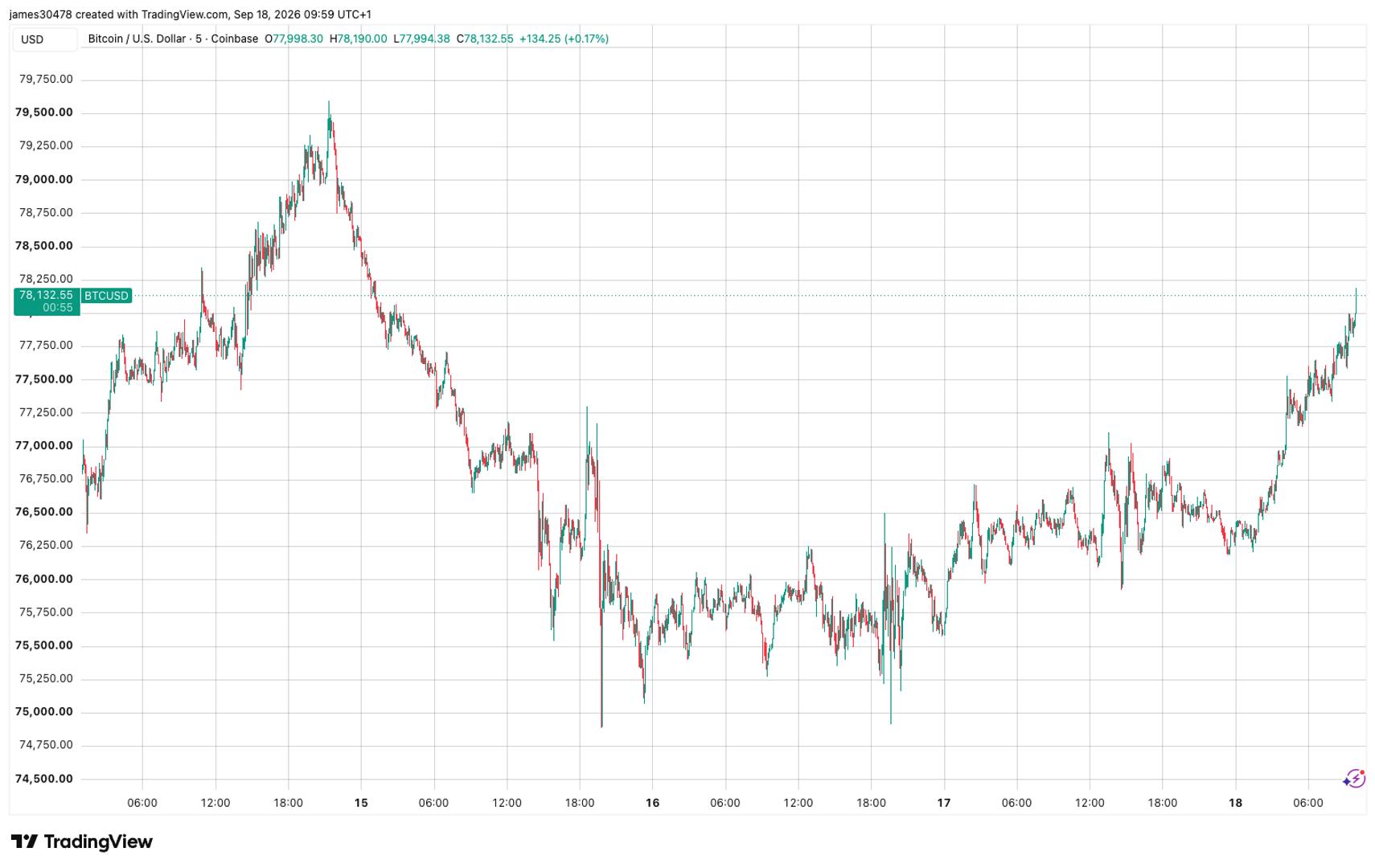

Corporate Treasuries Added Just 5,900 Bitcoin in Three Months as Demand Signals Stayed Weak
Corporate treasuries bought 5,900 bitcoin over three months, while CoinDesk reported that broader demand signals also remained weak. The figures indicate subdued buying interest from corporate treasury channels and the wider market.
CoinDesk
Corporate Treasuries Bought 5,900 Bitcoin in Three Months as Demand Signals Stay Weak
Corporate treasuries bought 5,900 bitcoin over three months, while CoinDesk said broader demand indicators also remained weak. The figures point to limited corporate accumulation and subdued demand signals during the period covered.
CoinDesk

Corporate Bitcoin Treasuries Add 5.9K BTC as Unrealized Losses Persist
Corporate Bitcoin treasuries bought about 5.9K BTC over three months, but holdings remained at an unrealized loss after Bitcoin fell below $80,000. Fresh capital inflows also dwindled, slowing further accumulation.
Cointelegraph

Avalanche to Cut Validator Lockups to 48 Hours in Sept. 22 Upgrade
Avalanche’s Sept. 22 upgrade will reduce validator lockups to 48 hours and add auto-renewal. CryptoSlate reports that the shorter commitment period will also make securing rewards for a full cycle more difficult.
CryptoSlate
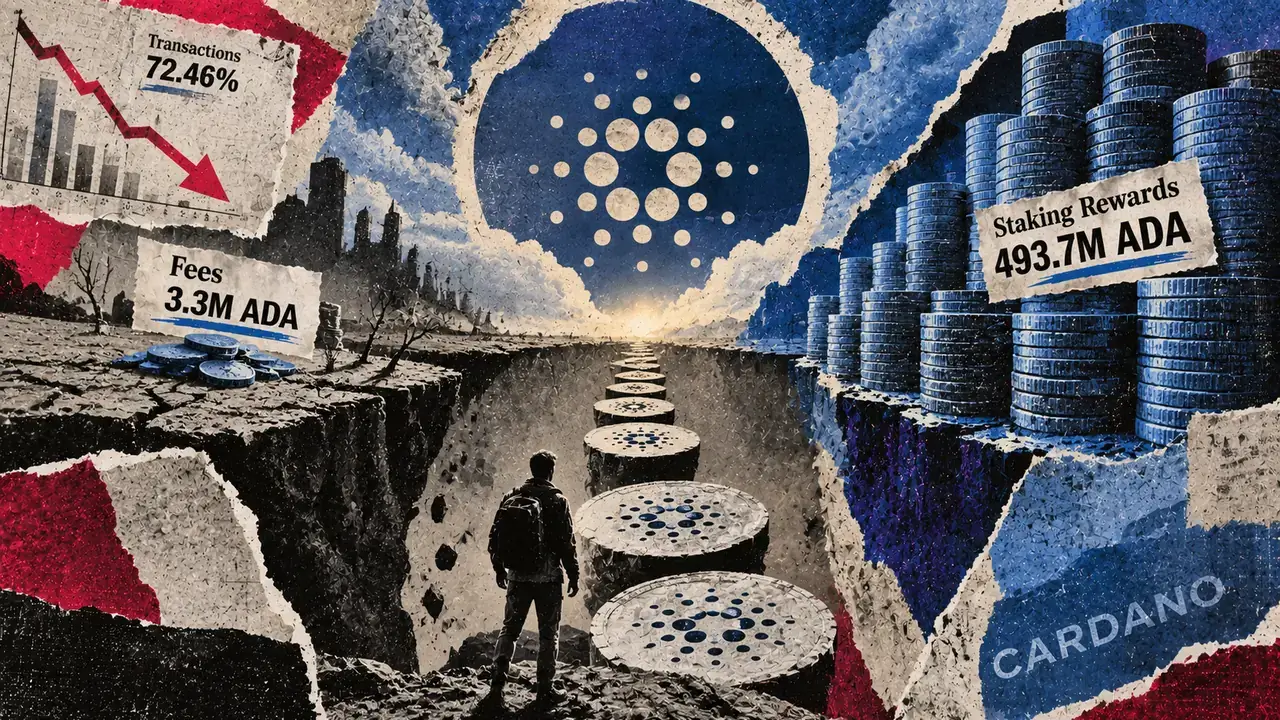
Cardano Fees Covered Just 0.7% of Staking Rewards as Transactions Fell 72%
Cardano fees covered 0.7% of staking rewards as transactions fell 72%, CryptoSlate reported. Leios may add capacity, but the network still needs enough fee-paying demand to close a roughly 150-fold gap.
CryptoSlate

Cato Warns an AI Pause Could Strengthen Dominant Firms
Cato says a broad AI pause could entrench dominant companies instead of improving safety. The think tank favors voluntary safeguards, while Block Chairman Jack Dorsey supports independent testing and narrowly justified restrictions.
Decrypt
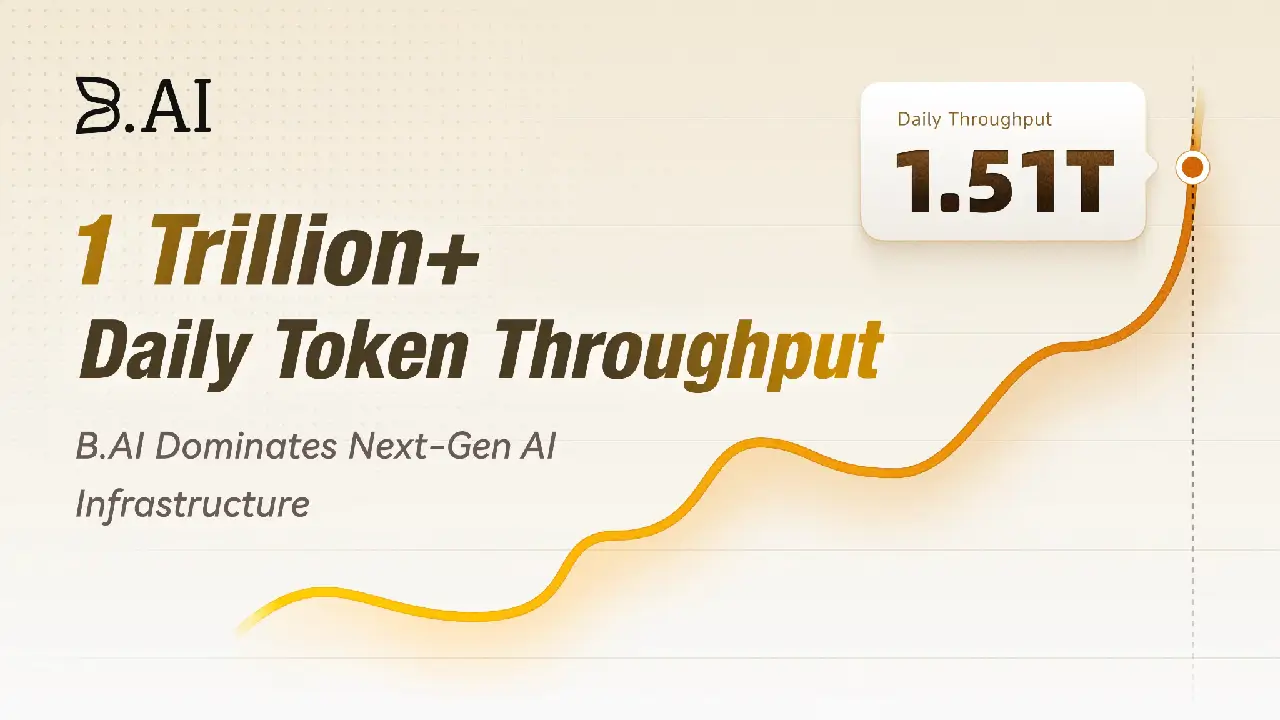
B.AI Reports 1.51 Trillion Daily Token Throughput Five Months After Launch
B.AI reports daily throughput above 1.51 trillion tokens five months after launch. The company is combining compute routing, decentralized settlement and agent infrastructure for the emerging AI agent economy.
CryptoSlate
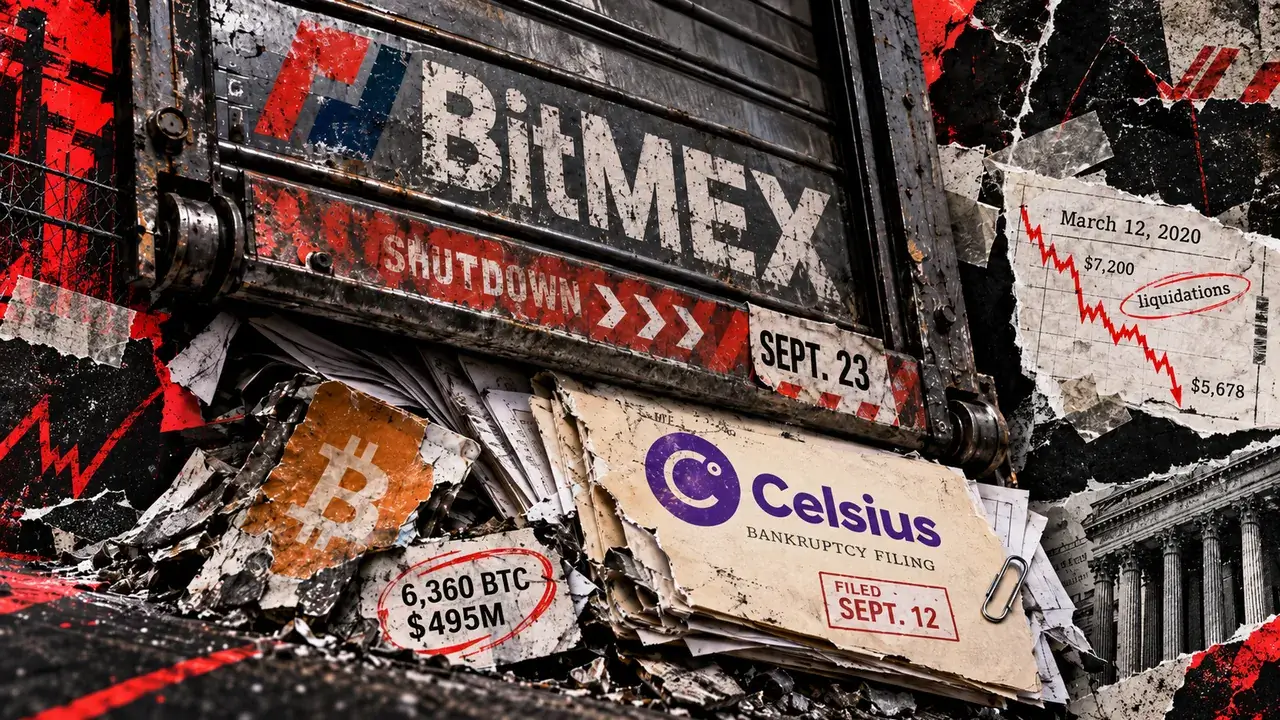
Celsius estate files $495 million lawsuit against BitMEX over 2020 liquidations
Celsius’s bankruptcy estate is suing BitMEX for $495 million over alleged fraud, market manipulation and wrongful liquidations during Bitcoin’s March 2020 market turmoil. The complaint says losses exceeded 6,360 BTC.
CryptoSlate


Bitcoin Slides Ahead of Senate Clarity Act Vote and Fed Rate Decision
Bitcoin gave back its entire post-golden-cross advance as markets awaited an afternoon Senate vote on the Clarity Act and faced the prospect of a Federal Reserve rate hike.
Decrypt

Solana Expands Transaction Capacity to 4,096 Bytes With Transaction V1
Solana’s Transaction V1 raises the transaction size limit from 1,232 to 4,096 bytes. CoinDesk says the added capacity supports use cases such as multi-step trades, company-wallet approvals and privacy proofs.
CoinDesk

Democrats prepare counterproposal to GOP’s final CLARITY bill offer
Some Democrats plan to submit a counterproposal to the GOP’s “final” CLARITY bill offer, citing dissatisfaction with its crypto ethics provisions just hours before a key procedural vote, Politico reported.
Cointelegraph

AI’s Biggest Companies Question the Pace of Development
Cointelegraph examines why major AI companies are calling for slower development, citing questions over whether technology-related risks and the economics of the race are making the current pace harder to justify.
Cointelegraph