Andreessen Horowitz is changing the name of its crypto investment arm to a16z Frontier, broadening its focus to artificial intelligence and other technologies that may take years to mature. The firm says the change expands its mandate rather than ending its crypto strategy, and it will continue backing crypto-related companies and advocating for what it calls sensible regulation.
From a Crypto Label to a Broader Technology Mandate
According to Decrypt, the new name was announced in an email sent to the firm’s newsletter subscribers on Thursday. The fund will continue to invest in crypto, but its remit will now also include AI and other emerging fields, including technologies described as having long development timelines.
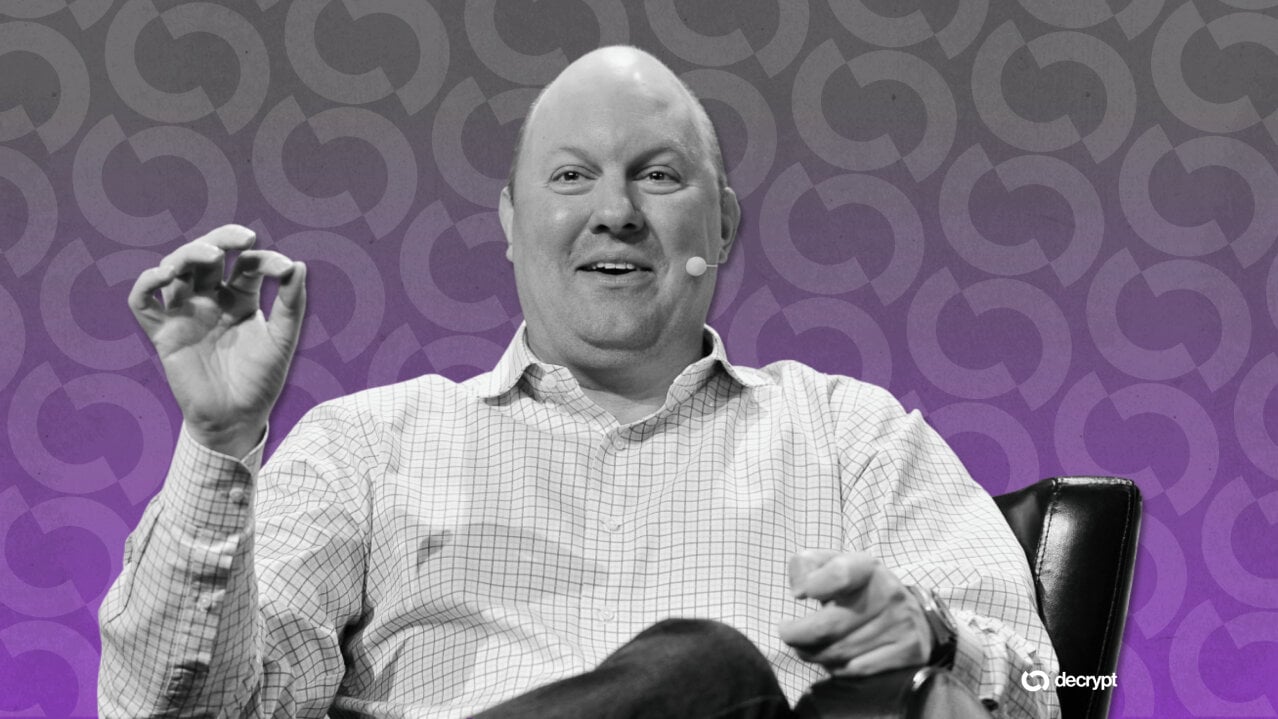
Chris Dixon, the general partner who leads a16z’s crypto team, said the change reflects how blockchain technology is increasingly being used inside products that may not be marketed as crypto businesses. Blockchains are shared digital ledgers that record ownership and transactions without requiring a bank or other central intermediary.
Dixon pointed to Wall Street and fintech companies that now regularly launch blockchain-based products. In his view, the technology behind a product is becoming less important than the service or activity the company provides. That makes it harder, he argues, to draw a useful boundary around the term “crypto.”
The firm’s previous crypto portfolio has included Coinbase, the Solana blockchain and Uniswap, a platform that allows users to exchange tokens without a traditional intermediary. a16z said crypto remains part of its investment plans despite disappearing from the fund’s name.
AI, New Markets and Long-Horizon Bets
Dixon said a16z Frontier will look for startups developing technologies and creating markets that may need years to become established. He described this as a continuation of an investment approach he has pursued since joining a16z in 2013.
His earlier examples include businesses enabled by improvements in smartphone cameras, sensors and chips. Those advances helped make possible products such as drones, augmented- and virtual-reality headsets and wearables. The firm’s investments connected with that theme included Oculus and drone companies Skydio and Zipline.
The new areas Dixon highlighted include autonomous machines capable of perceiving, reasoning and acting in the physical world, as well as developments in biology and medicine. He also referred to a possible “post-AGI” society. AGI, or artificial general intelligence, remains a theoretical form of AI that could match or exceed humans across nearly all thinking tasks.
Dixon said AI has so far mainly improved existing work, such as software coding, by making it faster, better or cheaper. He expects more “native use cases”—activities that could not previously be performed—to emerge over time. Early versions of those products, he wrote, may initially resemble toys or hobbies before some develop into mainstream businesses.
In January, a16z said it had raised more than $15 billion across its funds. Co-founder Ben Horowitz wrote at the time that the firm’s mission included winning the key architectures of the future, specifically naming AI and crypto.
Why Crypto Remains Part of the Strategy
Although the rebranding places crypto inside a wider technology platform, Dixon continues to see a role for blockchain networks. He argues that crypto could provide AI agents—software programs that act autonomously—with a way to make payments to one another.
In Dixon’s framework, crypto can give new networks built-in economic functions, support machine-to-machine transactions and create new ways for those networks to attract participants. The argument focuses on how the technology could be used by future systems, rather than on the short-term price of digital assets.
Dixon made a similar case in 2022, when the total crypto market value had fallen by roughly two-thirds from its 2021 peak. At that time, he said developer and entrepreneur activity mattered more to his assessment than prices.
The renamed fund will be led by Dixon alongside a16z founders Marc Andreessen and Ben Horowitz, and general partners Eddy Lazzarin and Guy Wuollet. The firm did not disclose a new size for a16z Frontier. The most recent figure cited for the fund is $2.2 billion, announced in May.
Current Market Picture
Moneyiar market data at 23:24 on October 22, 2026, showed the following prices and performance:
- Ethena (ENA): $0.197315884, down 7.73% over 24 hours and 3% over seven days.
- Ethereum Name Service (ENS): $5.4948575249, down 4.77% over 24 hours and 4.59% over seven days.
- Bio Protocol (BIO): $0.0233187315, down 7.58% over 24 hours and 9.29% over seven days.
- FUNToken (FUN): $0.0087167872, down 1.55% over 24 hours but up 6.83% over seven days.
These market movements are separate from a16z’s announcement and do not indicate how the firm’s renamed fund will perform.