
Anchorage Digital is expanding its role in the flow of digital dollars and pesos between the United States and Mexico through an enlarged agreement with Bitso, one of Latin America’s major crypto platforms.
The arrangement places Anchorage Digital Bank’s custody services beneath both sides of the corridor. Bitso’s MXNB, a stablecoin designed to track the Mexican peso, will be held by the federally chartered crypto bank across six blockchains: Arbitrum, Base, Ethereum, Polygon, Avalanche and Arc.
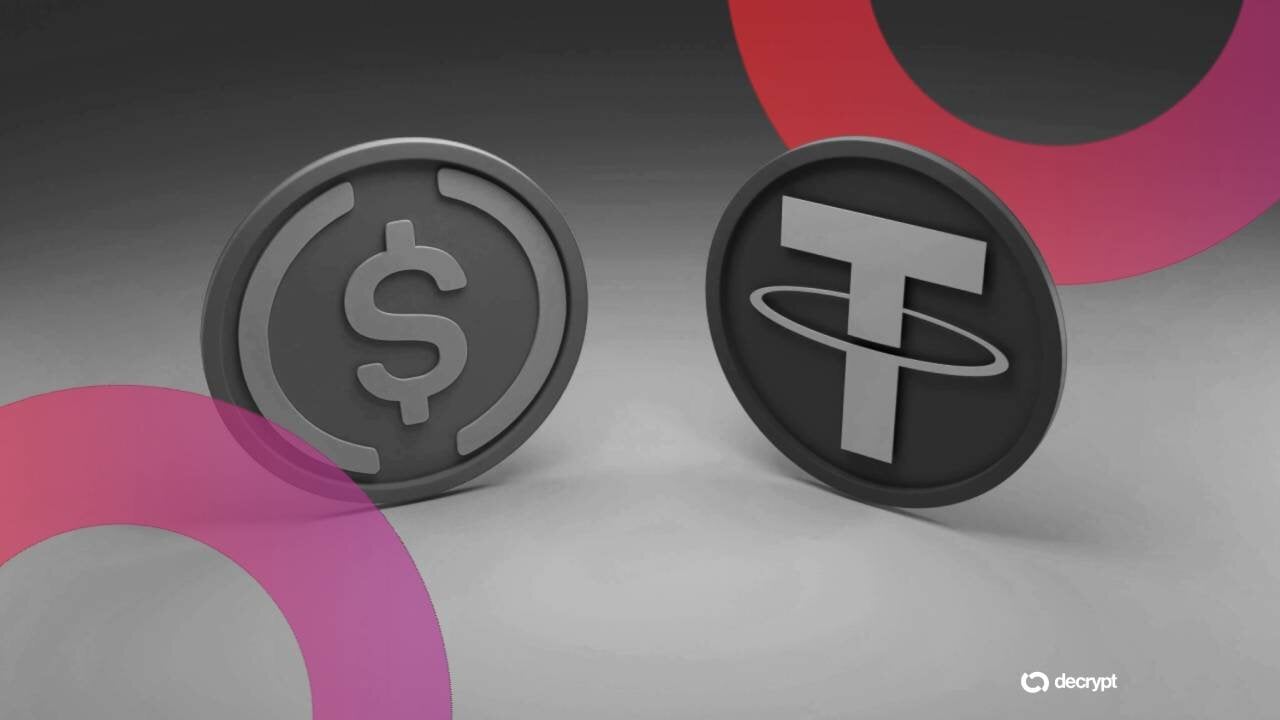
At the same time, Bitso has added two U.S. dollar stablecoins to its platform: USDPT and USAT. Both are issued and custodied by Anchorage. The companies did not disclose the financial terms of the expanded agreement.
A major remittance route
The partnership is aimed at the US-Mexico remittance corridor, which moves tens of billions of dollars each year and is among the world’s largest cross-border payment routes. Remittances are transfers commonly sent by people working abroad to recipients in their home countries.
Much of the money moving along this route still depends on correspondent banks, wire transfers and cash-pickup networks. Those systems can be slower and more expensive than blockchain-based settlement. Bitso says about 15% of the corridor already runs through its infrastructure.
Stablecoins are digital tokens designed to maintain a value linked to an asset such as a national currency. In this case, the arrangement connects a Mexican-peso token with U.S.-dollar tokens. Because stablecoins settle on blockchains, the companies are positioning the service as an always-on, onchain alternative to traditional payment rails.
Nathan McCauley, Anchorage’s chief executive and co-founder, said the corridor represents a point where stablecoins are moving beyond an idea and handling money at scale. He described Anchorage as the institutional custody layer on both sides of the flow. Bitso’s head of stablecoin, Ben Reid, said customers can access the dollar-peso corridor fully onchain with custody provided by a federally chartered bank.
Part of a wider Latin America push
The agreement comes as crypto companies compete to connect stablecoins to payment systems across Latin America. Circle recently expanded in the region through a USDC settlement pilot in Colombia, part of a broader push into dozens of emerging markets.
For Anchorage, the Bitso arrangement builds on its existing stablecoin business. The bank issues Tether’s U.S.-regulated USAT stablecoin, while Bitso has been promoting MXNB across networks including Arbitrum. By providing custody for both sides of the US-Mexico route, Anchorage is seeking a central role for issuers and banks entering the corridor.
Moneyiar market picture
Moneyiar data as of October 25, 2026, shows the following prices and performance:
- Stable (STABLE): $0.0265498473, down 2.51% over 24 hours and up 10.84% over seven days, as of 22:39 +03:30.
- Aethir (ATH): $0.0056524905, down 2.89% over 24 hours and up 6.14% over seven days, as of 22:38 +03:30.
- Comedian (BAN): $0.0575169485, down 4.44% over 24 hours and up 7.23% over seven days, as of 22:38 +03:30.
- ONEchain (ONE): $0.1019913497, down 0.44% over 24 hours and up 1.74% over seven days, as of 22:38 +03:30.
The expanded arrangement was reported by Decrypt.



