
Bitcoin-Gold Volatility Gap Narrows to Six-Year Low
Bitcoin and gold have reached their highest 90-day correlation since 2020, at about 0.55. Bitcoin volatility is 36.2% versus gold’s 25.3%, narrowing the volatility ratio to 1.43 times.
See the market, related assets, source and summary before opening a story so you can focus on what matters.
70 stories in this section
Bitcoin and gold have reached their highest 90-day correlation since 2020, at about 0.55. Bitcoin volatility is 36.2% versus gold’s 25.3%, narrowing the volatility ratio to 1.43 times.
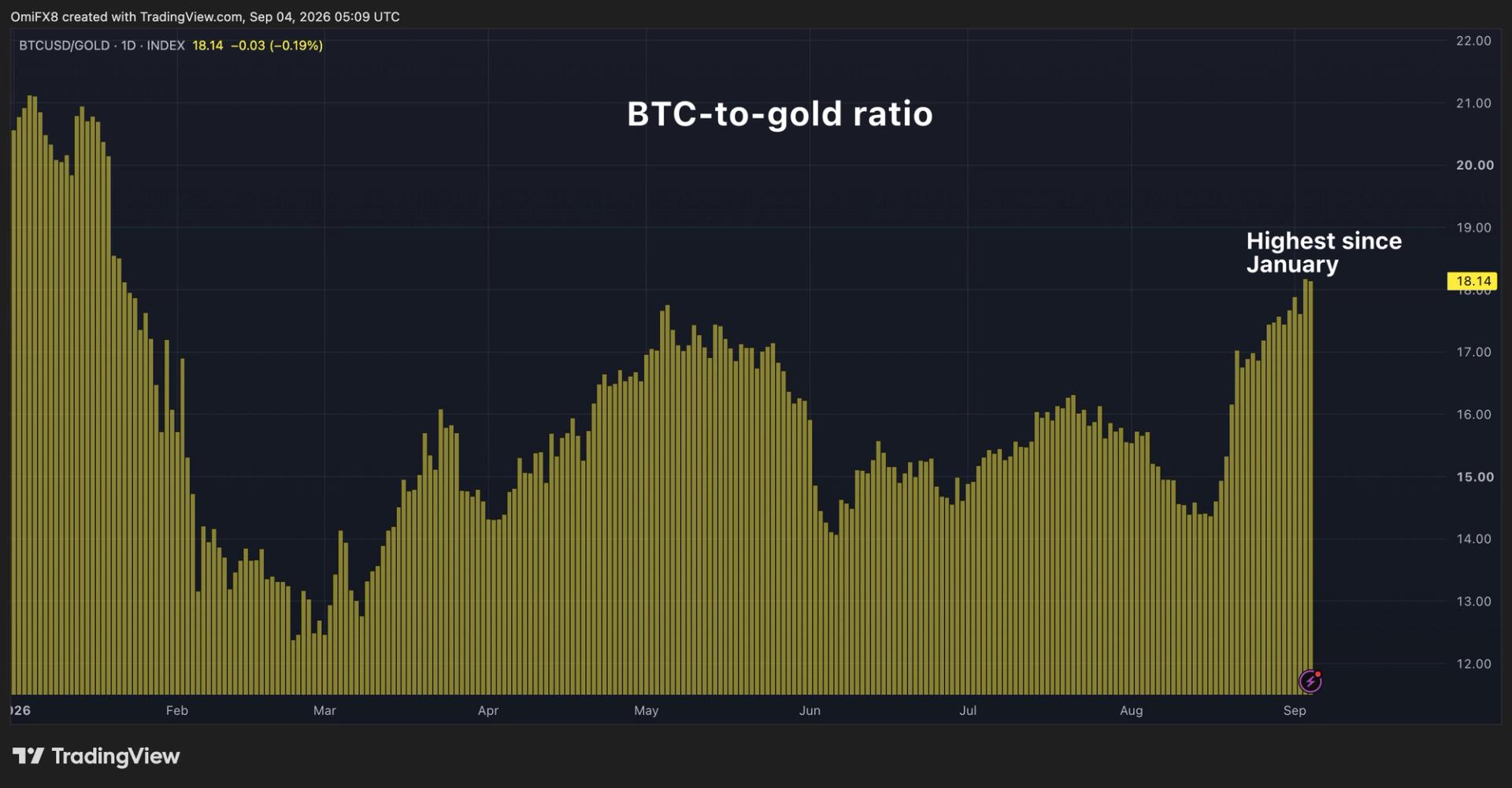
Bitcoin now buys slightly more than 18 ounces of gold, the strongest bitcoin-to-gold ratio since January. CoinDesk linked the joint rally in both hard assets to concerns about inflation reducing government debt burdens.
Bitcoin’s correlation with gold has reached a six-year high, Bitcoin Magazine reports, as concerns over currency debasement and confidence in the U.S. dollar shape trading in both assets.
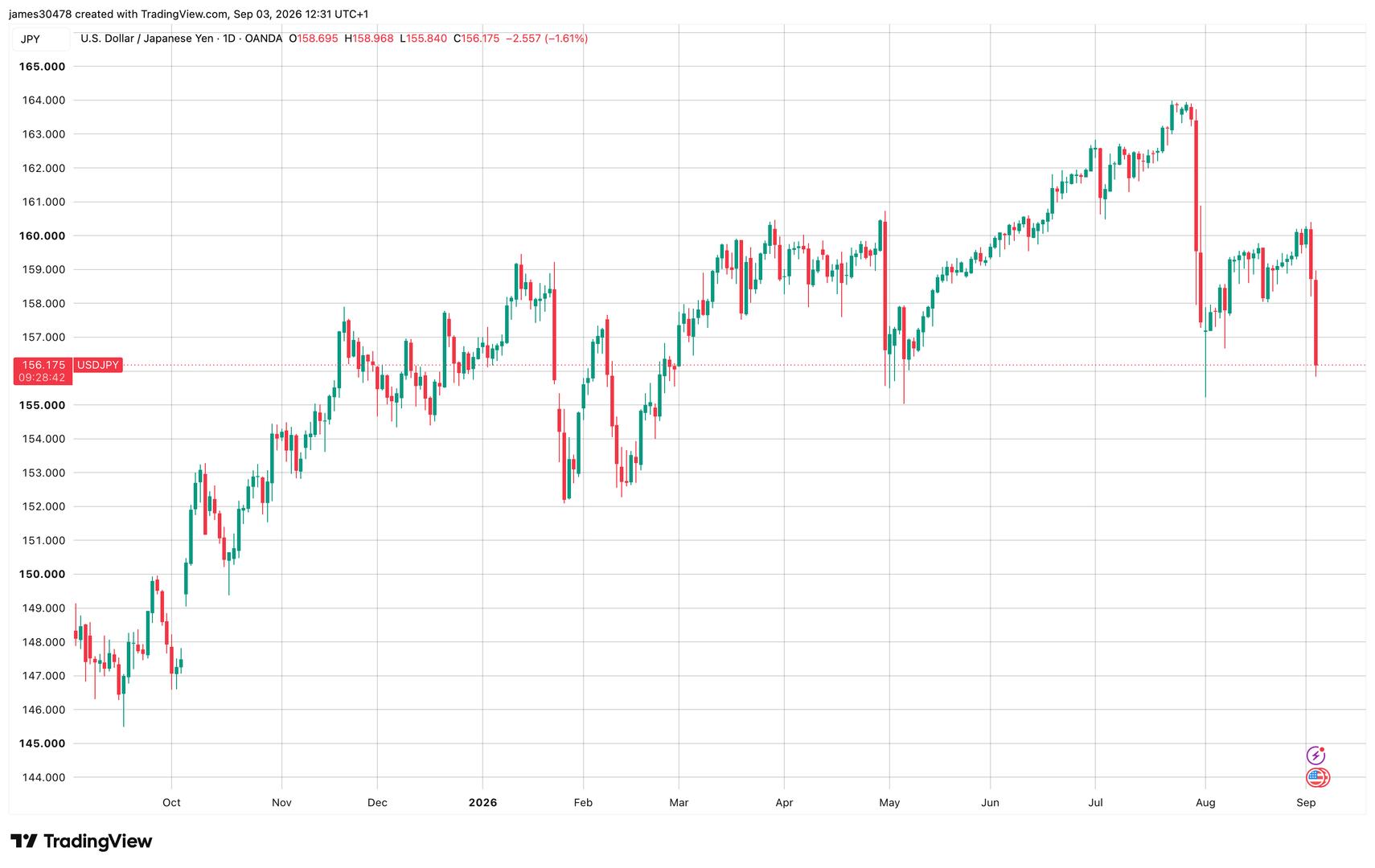
A stronger yen is contributing to broad U.S. dollar weakness and a lower Dollar Index, a backdrop that is currently supporting bitcoin and gold, CoinDesk reports.
Kalshi reportedly plans to ask the CFTC to approve a WTI crude oil perpetual futures contract. The proposed product would trade around the clock five days a week and would not have an expiration date.
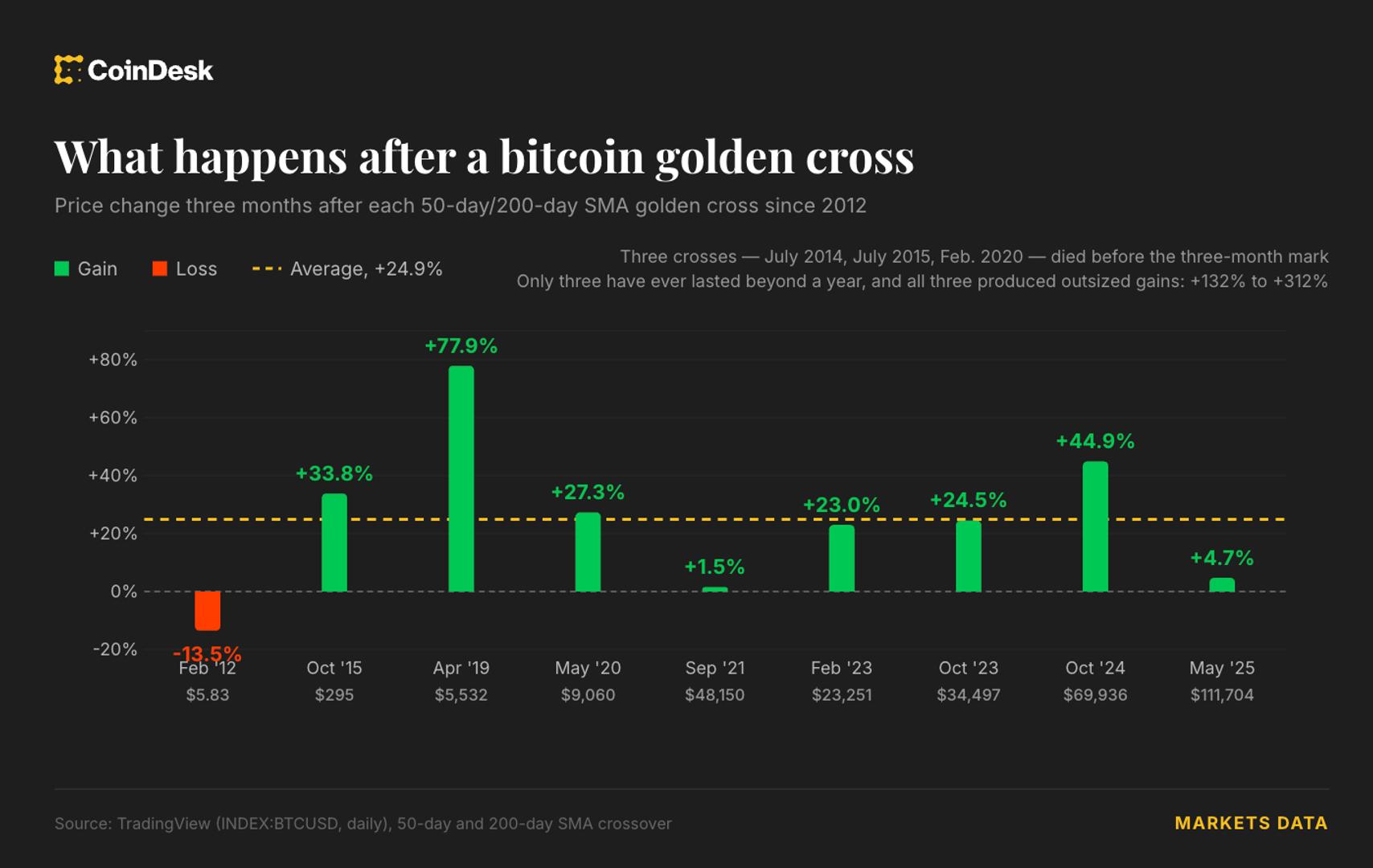
Bitcoin is nearing a golden cross, but the technical signal has a mixed record in crypto markets. CoinDesk reports that support from Tether’s USDT could make the current bullish setup more meaningful.
Primavera is reportedly negotiating for three Venezuelan oil fields under a new US-backed framework, CryptoSlate reported. No agreement has been signed and no transfer of the assets has been announced.
A 21-bank consortium including Goldman Sachs and Bank of America plans to launch a U.S. dollar stablecoin in the first half of 2027, with a euro version planned afterward, Decrypt reports.
HashKey has joined the DTCC’s tokenization innovation working group as its first Asian crypto service provider. The group includes more than 100 financial institutions, including Goldman Sachs and JPMorgan.
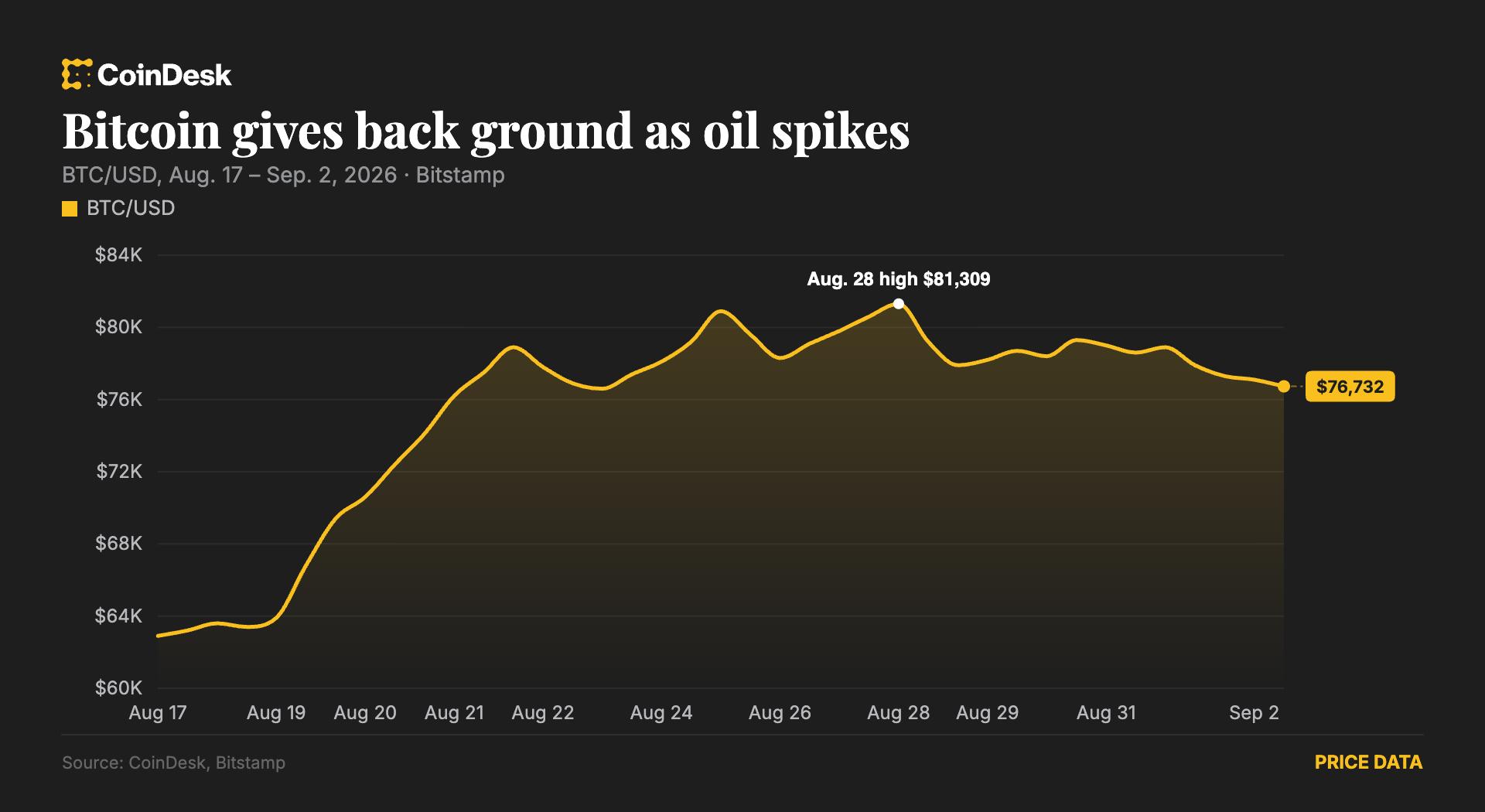
Bitcoin met resistance near $77,000 as weaker JOLTS turnover conflicted with an ISM prices reading of 71.1, $90 oil and a 66% probability of a closing Fed hike.
Bitcoin, gold and stocks fell as some observers argued that a Federal Reserve rate increase would be a mistake. CoinDesk’s Sept. 2 briefing highlighted the monetary-policy concern across related markets.
Bitcoin dropped 1% since midnight and fell below $76,500 as U.S. strikes on Iran pushed Brent crude above $93 and Treasury yields toward 4.8%, CoinDesk reported.
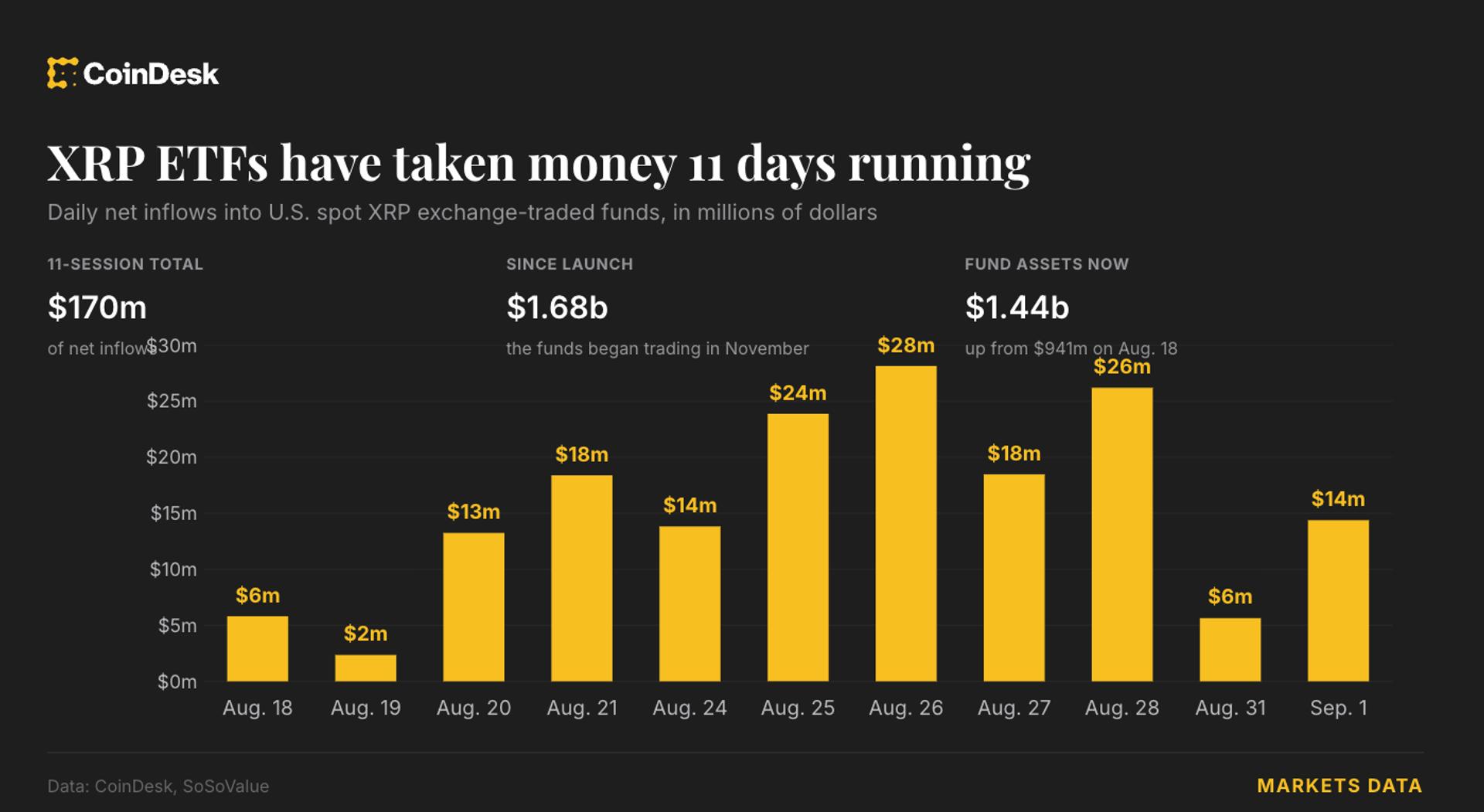
Spot XRP funds have attracted $170 million across 11 consecutive sessions. Second-quarter filings list Goldman Sachs, Jane Street and Millennium among the largest professional holders, with Goldman at the top of the cited institutional group.
Bitcoin traded choppily but held up as oil near $90 and rising bond yields pressured stocks and gold. Gold slid, while a firm dollar remained a headwind for the cryptocurrency.
Bank of America, Citigroup and Goldman Sachs are among 21 institutions planning a stablecoin venture. The project will start with a US dollar stablecoin before expanding to other G7 currencies, with the euro next.
Citi, Goldman Sachs and other global banks and asset managers are teaming up on a stablecoin venture. The project will begin with a U.S. dollar token for payments and digital-asset settlement, with a euro token planned for expansion.
Bitcoin remains above $78,000 and is on track for its best month since 2017, even as a hawkish Fed, US strikes on Iran and renewed Middle East conflict weigh on stocks and lift crude oil.
Bitcoin held steady after U.S. strikes on Iran pushed oil prices higher and stocks lower. The cryptocurrency has gained 24% in August and is on track for its best month since November 2024.