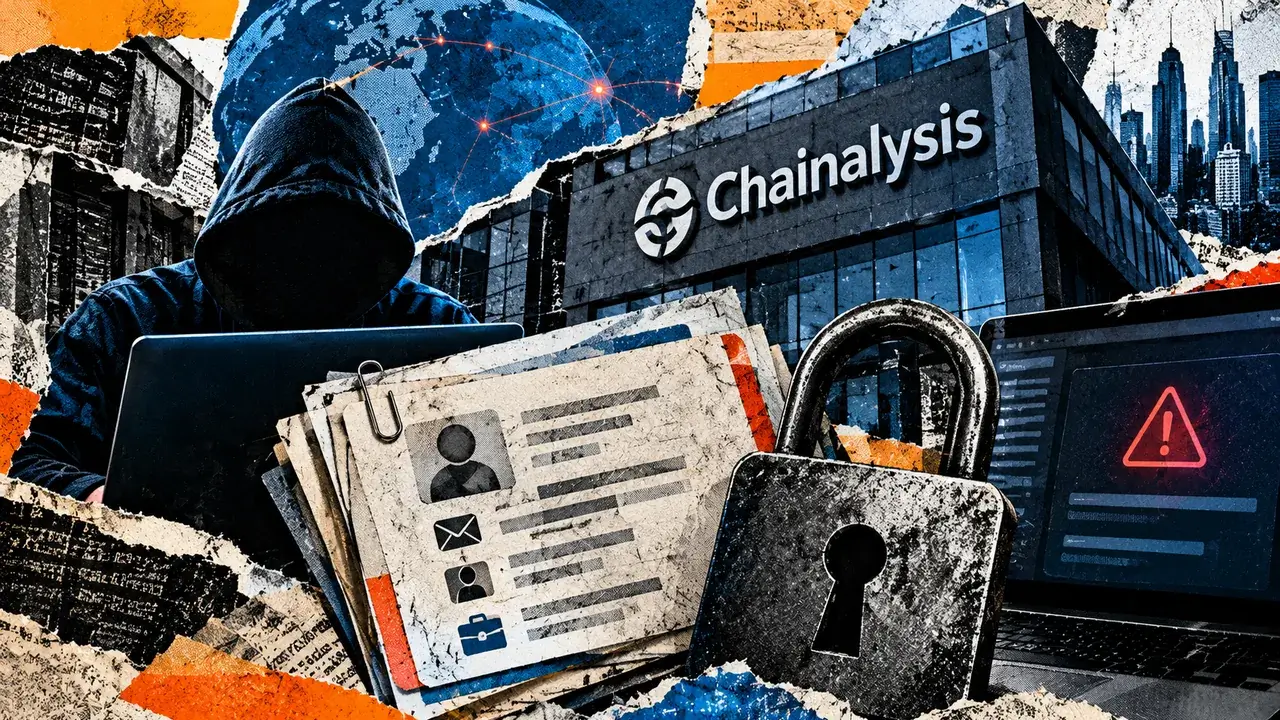
Chainalysis has disclosed that an external actor gained unauthorized access to some of its systems and internal tools, exposing customer names, email addresses, user IDs and organization role labels. The blockchain analytics company said its investigation was continuing and that it had not found evidence so far that the intruder accessed investigation content, transaction or query results, passwords, multifactor authentication secrets or user session tokens.
What Chainalysis disclosed
In a disclosure dated Oct. 30, Chainalysis said it detected unauthorized activity during October. The company has not published a total number of affected records, named the intruder or explained which vulnerability was used. It also cautioned that the list of potentially exposed data categories does not mean every field was accessed for every customer or user.
The company is still reviewing records on an organization-by-organization basis. It said customers had been notified and that more detailed, customer-specific information would be provided once the analysis is complete.
According to CryptoSlate, the incident involved access to customer-related identity and account information rather than any confirmed disclosure of the core investigative material used by Chainalysis customers. Chainalysis also said the event was separate from a recent cryptocurrency theft involving Binance.
What the investigation has found so far
Chainalysis said there was no indication, based on the evidence available when it issued the disclosure, that the intruder accessed:
- Investigation content such as graphs, notes or cases
- Transaction or query results
- Clear-text passwords
- Multifactor authentication secrets
- User session tokens
Those findings are provisional. The company said its investigation remains active while it determines exactly which records were accessed for each affected organization. The distinction is important because the exposure of names, email addresses and organizational roles can create security and privacy risks even when authentication secrets or investigative files are not known to have been taken.
Chainalysis said it had brought in external cybersecurity specialists, investigated the unauthorized activity, patched vulnerabilities and taken steps to strengthen its systems. It described the intruder’s methods as “offensive agentic techniques,” but did not provide a technical explanation of how artificial intelligence may have been involved.
Why exposed identity data matters
Names, email addresses, user IDs and role labels can help an attacker identify people connected with a particular organization and tailor messages to them. That can increase the credibility of phishing attempts, password-reset lures or fake authentication requests. The disclosure therefore carries implications beyond the question of whether passwords were accessed.
Chainalysis urged customers to treat unexpected password-reset requests and authentication prompts with caution. Its separate guidance on impersonation warns users about look-alike websites, copied branding and unauthorized email addresses. The company recommends checking communications through official channels rather than relying on links or contact details supplied in a suspicious message.
For a message that appears unusual, the Federal Trade Commission recommends contacting the relevant company using a telephone number or website already known to be genuine. Multifactor authentication can also add protection if a username and password are compromised. Chainalysis specifically recommended that organizations enable two-factor authentication if they have not already done so, and said account managers could provide assistance.
Further updates are expected to focus on the customer-specific record breakdowns. Until that work is complete, the company has not said how many people or organizations were affected or whether every category listed in its notice was accessed.
Moneyiar market picture
Moneyiar market data at 2026-11-01 12:53:00 +03:30 showed mixed performance among the tracked digital assets:
- Compound (COMP): $20.5815214964, up 1.19% over 24 hours and down 9.84% over seven days.
- Nexus (NEX): $0.0000006833, down 3.78% over 24 hours and up 13.54% over seven days.
- Alchemy Pay (ACH): $0.004760907, down 0.69% over 24 hours and down 5.48% over seven days.
- Prom (PROM): $5.7672934364, up 4.27% over 24 hours and up 5.89% over seven days.
These market movements are separate from the Chainalysis security disclosure. The incident concerns access to customer information and systems; the supplied market data does not establish any connection between the breach and the price changes above.