
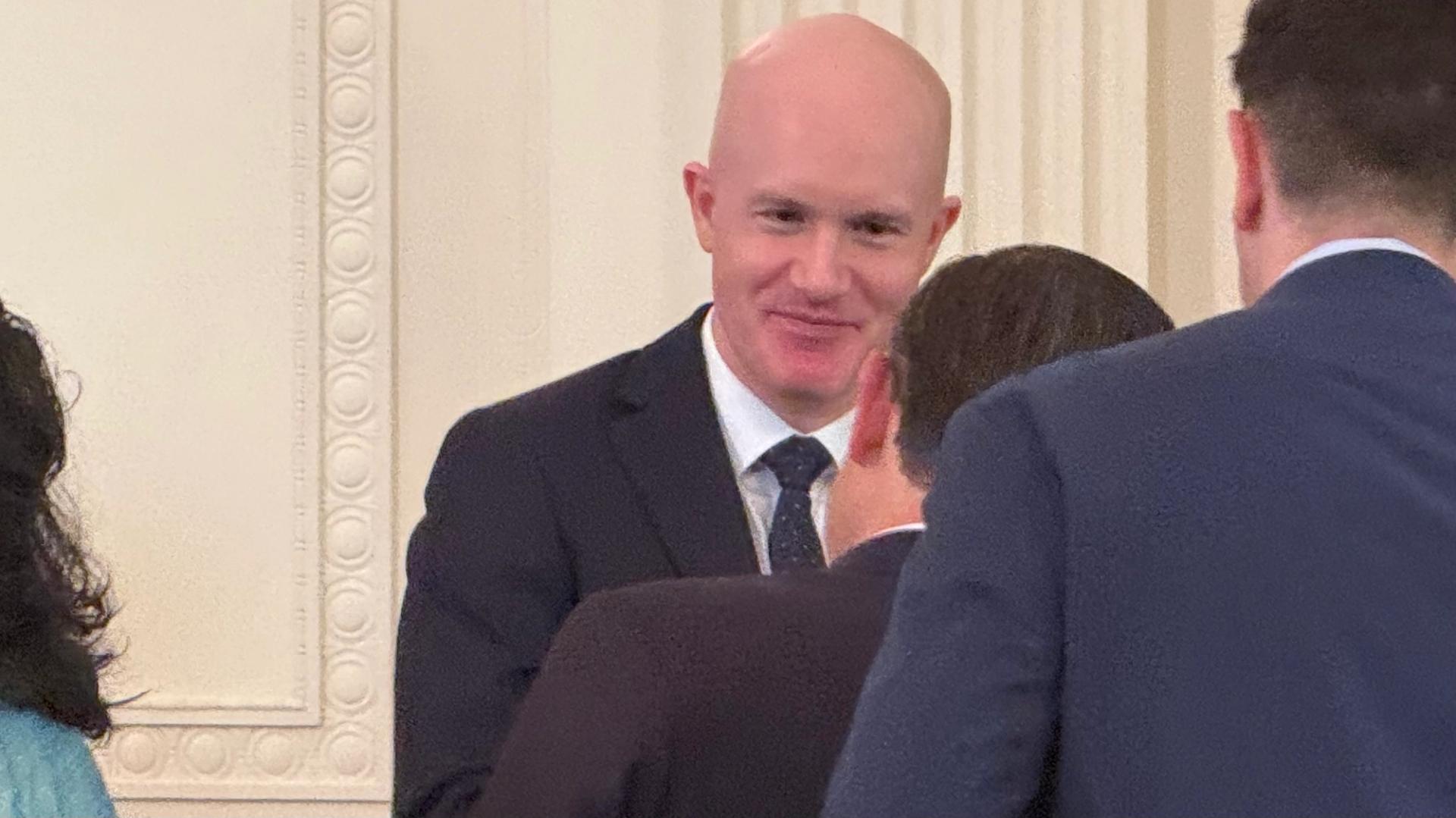
The cryptocurrency industry spent more than $13 million on direct lobbying in the first half of 2026, including about $8 million tied to efforts to advance the Digital Asset Market Clarity Act in the U.S. Senate. The bill failed to move forward, leaving the industry with substantial lobbying costs but no new federal market-structure law.
According to CoinDesk, a review of federal lobbying disclosures found that Coinbase led the campaign, while exchanges, investment firms, trade associations and outside lobbying companies all took part. The spending was separate from the more than $100 million the industry has directed toward election campaigns and from the broader budgets of crypto advocacy organizations.
A costly push for market-structure legislation
The Clarity Act was intended to establish a regulatory framework for U.S. digital-asset markets. During the first six months of the year, crypto companies and their allies placed paid representatives in meetings with members of Congress, congressional staff and federal officials as the Senate considered the legislation.
The approximately $8 million connected to the bill included around $2.4 million paid to outside lobbying firms and about $2.1 million spent by lobbyists employed by industry trade associations. The remainder came from crypto companies’ internal government-affairs operations.
Lobbying disclosures do not always identify a single legislative objective. Some of the other $5.4 million spent by the sector during the period may also have supported the Clarity Act under broad descriptions such as cryptocurrency or financial-services issues. Other filings more clearly referred to tax policy, digital mining and engagement with regulators responsible for writing crypto rules.
The Crypto Council for Innovation, for example, reported $610,000 in lobbying across issues that included tax policy, implementation of the GENIUS Act, counter-illicit-finance measures, anti-money-laundering requirements and market structure. The Blockchain Association said its representatives held more than 380 meetings with congressional staff and federal officials, supported by five industry fly-ins and 15 staff briefings covering market structure, decentralized finance, tax policy and national security.
Coinbase was the biggest corporate spender
Coinbase spent about $2.2 million on lobbying that included support for the Clarity Act, according to its disclosures. Kraken spent nearly $1 million on similar efforts. Digital Currency Group, Jump Crypto and Paradigm were also identified among the major corporate supporters of the bill.
Coinbase was the largest individual lobbying spender in the crypto sector overall. OpenSecrets.org placed the company among the 10 biggest spenders in the securities and investment category, ahead of Goldman Sachs Group and Andreessen Horowitz during the period covered.
Coinbase spokesperson Julia Krieger said the company’s internal team and outside advisers had helped bring bipartisan market-structure legislation close to passage and had contributed to regulatory work now continuing at the Securities and Exchange Commission and the Commodity Futures Trading Commission.
Across crypto-related lobbying that did not explicitly name the Clarity Act, four digital-asset companies each spent at least $1 million. The group included Coinbase, a16z with $1.5 million, Binance with $1.4 million—全部 on outside lobbyists—and Crypto.com with $1.2 million.
The sector’s outside lobbying payments were distributed among at least 42 firms. Checkmate Government Relations received about $1.8 million in crypto-related fees during the first half of 2026, most of it from Binance. Sternhell Group received $660,000 from digital-asset companies. Michael Best Strategies, Goldstein Policy Solutions and Phronesis DC each received at least $200,000 for work specifically connected to the legislative campaign.
Spending did not produce a Senate victory
The Clarity Act’s failure highlighted the difficulty of turning a large, diverse lobbying operation into a unified legislative strategy. Some people involved in the negotiations raised concerns that industry participants were not consistently pursuing the same objectives.
Corey Frayer, director of investor protection at the Consumer Federation of America and a former SEC official, said he observed significant internal disagreement and a lack of unity over important policy decisions in the bill. His comments reflected criticism that the industry’s many companies, trade groups and advisers sometimes worked at cross-purposes.
The bill’s defeat does not mean the lobbying effort produced no progress. Supporters pointed out that the legislation advanced further than previous crypto market-structure proposals and created areas of bipartisan agreement. The process also exposed more lawmakers to the industry’s policy arguments.
Still, the next opportunity for the bill is uncertain. CoinDesk reported that even optimistic participants were unsure whether it could return during the short end-of-year “lame-duck” session. Lobbying has also shifted toward the SEC and CFTC, which continue to develop crypto-related rules and policies.
Moneyiar market picture
Moneyiar data at the stated times showed mixed performance among the listed digital assets:
- Billions Network (BILL): $0.0139971939, down 0.59% over 24 hours and up 10.04% over seven days, as of September 21, 2026, at 01:39 +03:30.
- Alchemy Pay (ACH): $0.0061110871, down 0.49% over 24 hours and up 9.02% over seven days, as of October 1, 2026, at 08:58 +03:30.
- RedStone (RED): $0.1818623124, up 10.3% over 24 hours and 19.86% over seven days, as of October 1, 2026, at 08:58 +03:30.
- Loaded Lions (LION): $0.0015460366, up 2.24% over 24 hours and 4.45% over seven days, as of October 1, 2026, at 08:59 +03:30.
The lobbying campaign is expected to remain part of the industry’s broader Washington strategy even without a completed law. As one Coinbase representative put it, policy work in the U.S. capital is a long-term process.





