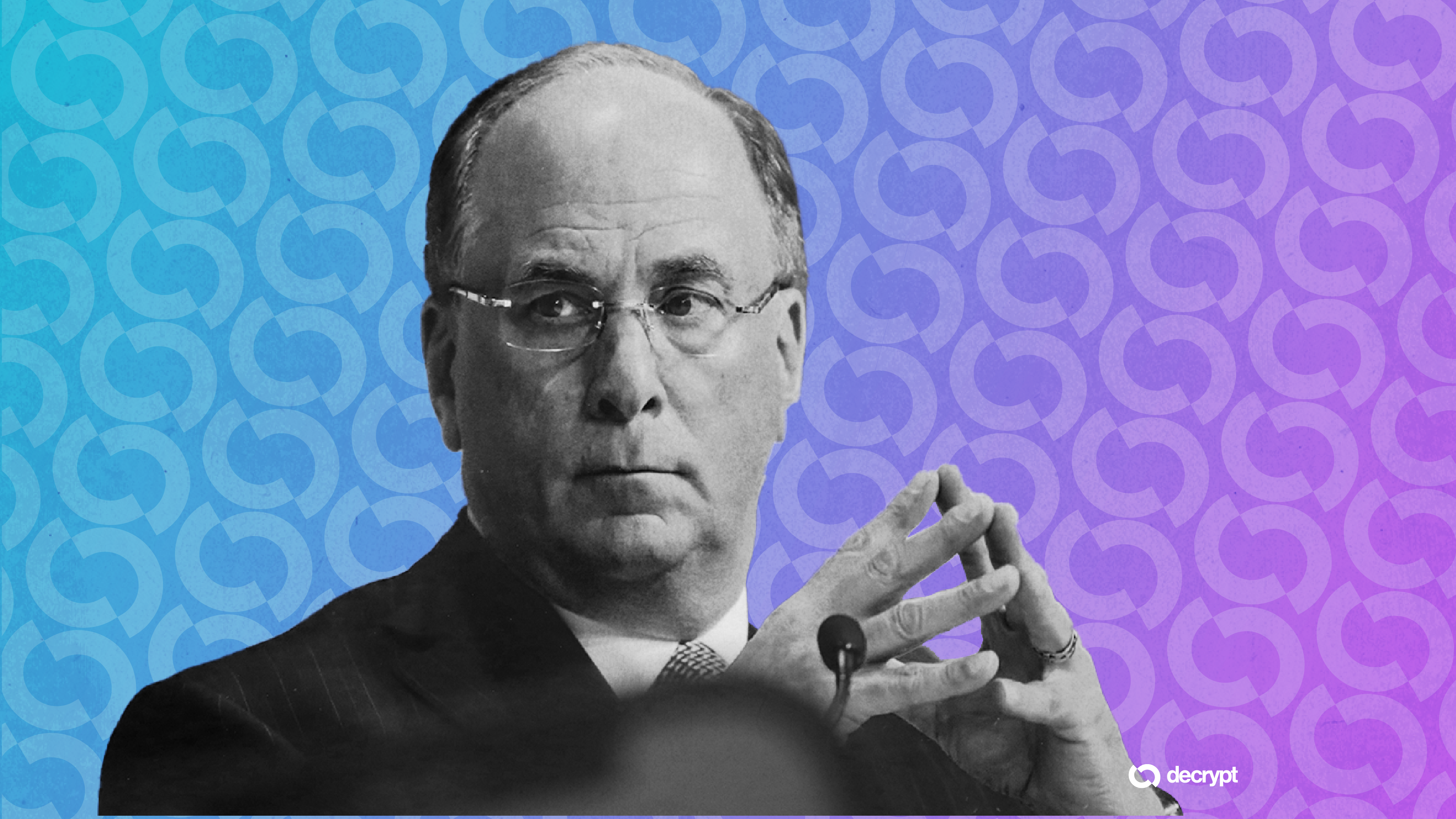
BlackRock chief executive Larry Fink has warned that stopping data center construction in the United States could push the economy into recession, arguing that investment in artificial-intelligence infrastructure has become a major source of economic activity.
Speaking to CNBC on Wednesday after BlackRock reported better-than-expected third-quarter earnings, Fink said a moratorium on new data centers would threaten the spending and construction activity supporting the AI boom. “If we have a moratorium of some sort in this country, we will be in a recession,” he said. He added that “so much of our economy is based on the build-out of this capex.”
The comments place one of Wall Street’s most influential executives directly in a growing political and local dispute over the facilities needed to develop and operate AI systems. The debate involves the electricity required by data centers, their water consumption and the pressure they can put on regional power grids.
Why data centers have become an economic issue
Data centers house the computing equipment used to store information and run digital services. The latest expansion is closely tied to AI, which requires large amounts of processing capacity and has prompted companies to invest heavily in chips, buildings and energy infrastructure.
Fink argued that this construction is supporting more than technology companies alone. He pointed to construction employment and demand for energy infrastructure as reasons the buildout has become important to the broader economy. He also said BlackRock has discussed the effort with chipmakers including AMD and Broadcom.
Wall Street analysts estimate that AI-related capital expenditure could exceed $1 trillion in 2027 and surpass $5 trillion cumulatively by 2030. Those figures help explain why Fink views a sudden halt as a threat to the economic growth rate he wants the US to sustain at around 3% annually.
Fink rejected much of the criticism aimed at data centers as “misinformation” and said, “data centers are not the problem.” His comments come as opposition is becoming more visible ahead of the November 3 midterm elections.
Moratoriums and public opposition
According to reporting by Decrypt, Brookings said at least 100 localities had approved data center moratoriums by July. New York has paused some permits for as long as a year, while restrictions have also appeared in Texas and in cities including Austin and Jersey City.
The scale of opposition is reflected in polling. An Annenberg Public Policy Center survey conducted this summer found that 61% of Americans opposed new data centers in their area, up from 49% in the spring. Majorities of Democrats, Republicans and independents were opposed.
Electricity demand, water use and grid strain are at the center of the objections. Data Center Watch estimated that projects worth roughly $130 billion were blocked or delayed during the first quarter of 2026 alone.
The issue has also entered electoral politics. It is central to Ohio’s Senate race, where Democrat Sherrod Brown has campaigned against the expansion. A super PAC backed by AI investors, including Marc Andreessen and OpenAI President Greg Brockman, has spent millions of dollars on advertising defending data centers in battleground states. President Donald Trump has also warned that communities resisting the facilities could end up “backwards and poor.”
Why the warning matters for crypto
Fink’s comments are relevant to cryptocurrency markets because Bitcoin has become sensitive to broader economic conditions and investor appetite for risk. If data center investment is viewed as a major contributor to growth, any policy that sharply reduces that spending could affect expectations for the wider economy and financial markets.
Fink is also a prominent figure in digital assets. He leads BlackRock, which oversees its spot Bitcoin exchange-traded fund, and has described Bitcoin as an asset for a “frightened world” and as a legitimate alternative investment. BlackRock has also identified AI agents as a possible future source of cryptocurrency demand.
That connection does not mean a data center policy change would automatically determine Bitcoin’s direction. It does show why Fink’s warning is being watched beyond the technology and infrastructure sectors: the debate over AI investment now reaches economic growth, elections, energy policy and markets at the same time.
Moneyiar market picture
Moneyiar market data at the stated times showed mixed performance among the listed assets:
- Four (FORM): $0.2562053904, down 0.52% over 24 hours and 3.28% over seven days, as of October 15, 2026, at 21:23 +03:30.
- WOULD: $0.0351412837, up 0.33% over 24 hours and 10.6% over seven days, as of September 22, 2026, at 21:04 +03:30.
- Data Network (DATA): $0.1900983584, down 4.09% over 24 hours and 3.06% over seven days, as of October 15, 2026, at 21:24 +03:30.
- Altlayer (ALT): $0.0079974455, up 0.23% over 24 hours and 10.29% over seven days, as of October 15, 2026, at 21:23 +03:30.