
Open Standard has launched its dollar-backed stablecoin, Open USD (OUSD), on Ethereum, Solana, Base and Tempo, entering a market dominated by Tether’s USDT and Circle’s USDC. The project is backed by Coinbase, Mastercard, Shopify, Stripe and Visa, and plans to distribute much of its future equity to partners according to how strongly they help expand OUSD supply and transaction activity.
A new stablecoin enters a crowded market
OUSD went live on Wednesday after Open Standard was first unveiled in June with a network of more than 140 companies from the payments, banking, cryptocurrency and technology industries. That wider group has since grown to more than 200 members, with Swiss bank UBS, Japan’s SBI Holdings and fintech company Jeeves among the latest additions, according to CoinDesk.
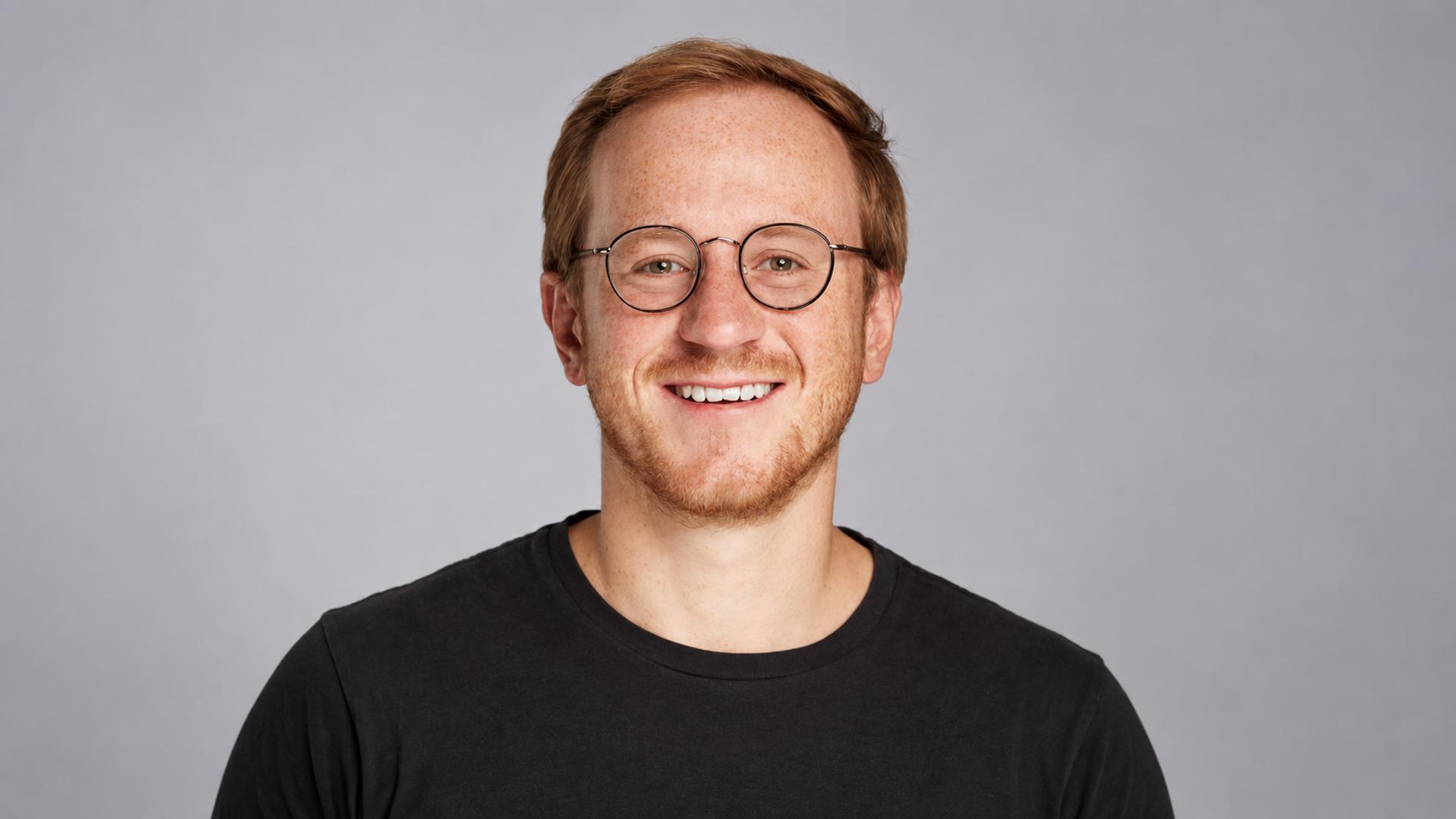
Open Standard is targeting uses that include banking, cross-border payments, card settlement, institutional trading and lending. Its chief executive, Zach Abrams, said the goal is to make OUSD a broadly useful form of digital dollars that can eventually operate in the background of everyday financial services.
The launch comes as the stablecoin market is worth more than $300 billion and remains concentrated around two leading products. Tether’s USDT has about $143 billion in circulation, while Circle’s USDC has roughly $74 billion.
Stablecoins are digital tokens designed to maintain a stable value against an underlying asset, in this case the U.S. dollar. Issuers typically hold cash or securities to support the tokens, earning income from those reserves. Competition is therefore expanding beyond the creation of another dollar token to include distribution, liquidity and the financial platforms where customers use stablecoins.
Five founding investors and a wider partner network
Coinbase, Mastercard, Shopify, Stripe and Visa are Open Standard’s first five founding partners and investors. Each received an equal initial equity stake, although the size of the companies’ investments and their individual stakes were not disclosed.
Together, the five companies have committed more than $1 billion to establish OUSD liquidity over the coming months. Their expected roles may include holding OUSD on corporate balance sheets or on blockchain networks, supporting market-making and helping develop specific use cases.
The five companies are currently Open Standard’s only investors. Abrams said the founding group could eventually expand to around 10 to 12 companies, with a board of directors made up of founders.
Open Standard’s structure differs from a traditional consortium, according to Abrams. Although hundreds of companies may participate in the broader network, management will run the company rather than decisions being made by a committee representing every partner. The founding partners have ownership and governance responsibilities, while other participants are intended to align with the project through rewards linked to their contributions.
The project’s initial announcement had raised questions because several major companies associated with USDC, including Coinbase, Visa and Mastercard, were also supporting the new stablecoin. Open Standard is presenting the arrangement as a way to encourage companies across the financial network to distribute and use OUSD.
Equity tied to usage and activity
A central feature of the model is the planned distribution of equity over time. Abrams said the “overwhelming majority” of Open Standard’s equity is expected to be distributed during the next four to five years to founding and non-founding partners based on how they help grow the network.
Founding partners will not receive a special share of revenue, according to Abrams. Instead, they will participate in the same general reward framework as other partners. Eligibility will depend on a combination of the OUSD supply a partner helps generate and the amount of transaction activity it drives. Open Standard has not disclosed the minimum activity threshold required to qualify.
That approach is intended to reward companies for moving the token, not merely holding it. It also contrasts with models in which the issuer retains most of the income generated by reserves. Circle shares part of USDC reserve revenue with distribution partners such as Coinbase, while Tether retains much of its reserve income, according to the report.
Open Standard also plans to remove minting and redemption fees for OUSD. Dan Romero, Tempo’s chief business officer, said this could reduce costs for companies moving large amounts of money into and out of stablecoins. Tempo is one of the networks supporting OUSD and aims to become its deepest liquidity pool.
Romero said OUSD could reach about $1 billion on Tempo within the next few months, rise above $10 billion during 2027 and potentially exceed $100 billion over the following several years. These are his expectations, not figures reported as current OUSD supply.
Moneyiar market picture
Moneyiar market data recorded at October 1, 2026, 08:58-08:59 (+03:30) showed Ethereum at $2,685.3947, up 0.57% over 24 hours and 0.73% over seven days. Tether USDt was at $0.9994348, down 0.01% in 24 hours and 0.03% over seven days.
The same Moneyiar data showed STABLE at $0.02799584, down 2.46% over 24 hours but up 8.48% over seven days. Monad was priced at $0.03220014, up 19.39% over 24 hours and 34.65% over seven days.
Open Standard is also considering stablecoins denominated in currencies other than the dollar, with Abrams saying demand from the network will determine which products are developed. The company’s longer-term ambition is for its infrastructure to support very large volumes of global money movement as stablecoins become more integrated into financial services.




