
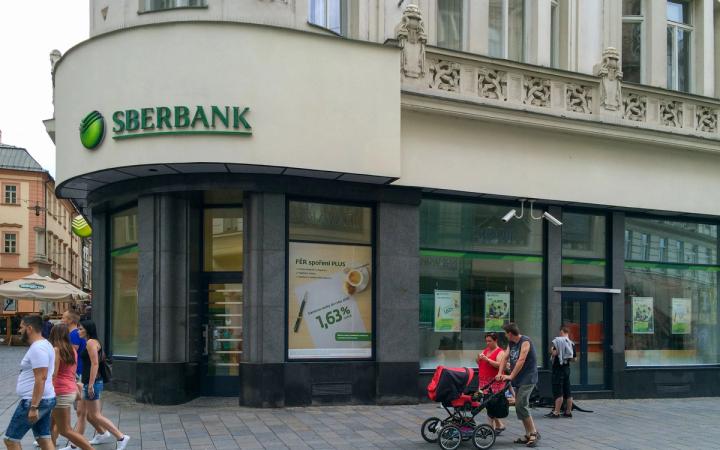
Russia’s largest bank, Sberbank, has secured regulatory approval to exchange cryptocurrencies, setting the stage for its customers to trade digital assets through the bank’s existing digital channels from Dec. 1. The move brings one of the country’s biggest financial institutions further into a regulated crypto market, while restrictions on payments and peer-to-peer transfers remain in place.
Sberbank added to Russia’s crypto exchange register
The Bank of Russia has added Sberbank to its register of cryptocurrency exchange providers, according to Interfax, as reported by CoinDesk. The registration permits the bank to operate within the framework created for regulated crypto trading in Russia.
Sberbank had already been added to the central bank’s digital depository register earlier this month. That listing gives it a role in recording clients’ cryptocurrency holdings and transfers. Together, the two registrations cover separate but connected parts of the market: exchange providers can buy and sell cryptocurrencies using their own funds outside organized exchanges, while digital depositories maintain records of ownership and movements.
The Bank of Russia’s exchange register now contains nine organizations. Other names listed in the source material include VTB and T-Invest Lab.
Sberbank has also been developing a crypto wallet, and the combination of exchange and depository registrations gives the bank a route to provide both trading and custody-related services. In practical terms, custody refers to the safekeeping and administration of digital assets or the records showing who owns them.
Trading is expected to launch through the bank’s app
Sberbank plans to make its first cryptocurrency products available to all clients on Dec. 1 through interfaces customers already use, according to Interfax. The bank has been preparing the necessary trading infrastructure and is currently testing transactions involving Bitcoin, Ether, Tether’s USDT and other major tokens in its app.
Sberbank told Vedomosti that the Bank of Russia will determine the final list of cryptocurrencies that may be offered. That means the assets being tested are not necessarily a definitive list of the coins that will be available when the service opens.
The planned launch would make crypto trading accessible through a mainstream Russian bank rather than only through specialist platforms. It also shows how digital-asset services are being incorporated into the country’s existing financial system under formal registration and oversight.
Russia is moving toward a controlled crypto market
Sberbank’s approval represents a change from the Bank of Russia’s position in 2022, when it proposed banning domestic cryptocurrency exchanges and preventing Russian financial intermediaries from handling cryptoassets. A law that took effect on Sept. 1 instead established a regulated market involving banks, brokers, exchanges and digital depositories.
The new arrangement does not amount to unrestricted use of cryptocurrencies. Domestic crypto payments remain prohibited, so approval to trade does not allow digital assets to be used as a legal substitute for ordinary payments inside Russia.
The central bank has also said that, from July 2027, cryptocurrency transactions must pass through registered intermediaries. According to the source material, that requirement would effectively exclude peer-to-peer transactions settled through Russian bank accounts. The policy therefore combines greater access to regulated trading with tighter controls over how investors hold and transfer coins.
For Sberbank, the registrations are a significant operational step. The bank can now prepare a service that links trading with records of customers’ crypto holdings, subject to the central bank’s rules and the final list of permitted tokens. The move also places Sberbank alongside other regulated institutions participating in Russia’s emerging digital-asset infrastructure.
Current crypto market picture
Moneyiar market data at 20:29 on Oct. 13, 2026, showed Bitcoin at $83,125.53, up 0.17% over 24 hours but down 2.90% over seven days. Ethereum was priced at $2,504.42, down 0.70% in 24 hours and 7.05% over the week.
USDT was trading at $0.9988 at 20:28, with a reported 24-hour change of -0.00% and a seven-day decline of 0.11%. Comedian, or BAN, stood at $0.05858, down 2.28% over 24 hours and 10.83% over seven days. These figures describe market prices at the stated time and are separate from Sberbank’s planned service.




