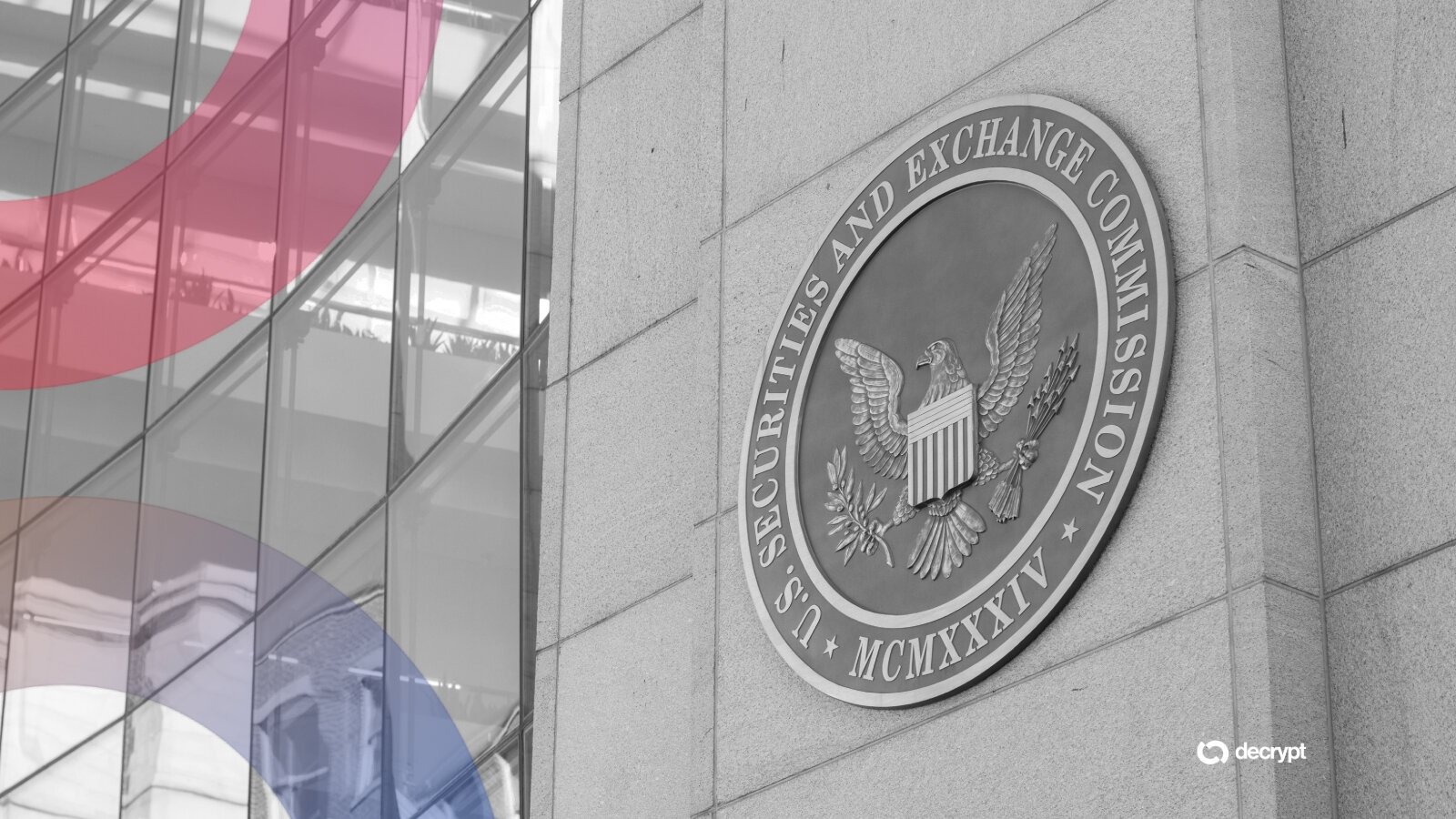
The U.S. Securities and Exchange Commission is putting advanced artificial intelligence and tokenization under closer examination as part of its priorities for the 2027 fiscal year, according to Decrypt.
AI Moves Into the SEC’s Risk Framework
The SEC’s Division of Examinations included “super intelligence and other advanced technologies” in its eight-point FY2027 priorities. It is the first time the division has explicitly identified that area as a heightened focus.
The wording places advanced technology within the division’s examination playbook because of its potential effects on market operations, regulatory compliance, fraud prevention and investor protection. AI is also included under the broader category of “emerging technologies,” signaling that examiners intend to assess how firms use these tools in compliance programs and efforts to detect fraud.
That represents a change in emphasis from earlier priorities, which focused more on artificial intelligence as a business tool being adopted by investment advisers. The FY2027 language treats AI as a factor that could influence the wider functioning and risks of financial markets.
The division’s priorities apply across a registrant base of more than 34,000 entities. These include investment advisers, investment companies, broker-dealers, clearing agencies and transfer agents.
Tokenization Added to Market Infrastructure Focus
Tokenization appears as a separate priority under evolving market infrastructure. The SEC listed risks connected with “evolving market infrastructure, including Treasury clearing reforms, tokenization, and related developments.”
Tokenization generally refers to representing assets or rights digitally, often through blockchain-based systems. By including it in the examination priorities, the SEC is indicating that firms developing tokenized products should expect their compliance arrangements to receive attention from examiners, alongside broader policy and regulatory discussions.
The list is not exhaustive. The Division of Examinations said its staff retains discretion to review any issue involving compliance with federal securities laws across the full group of registrants.
Division Director Keith Cassidy described the approach as adaptable, saying it is intended to help the agency respond to changing market conditions, identify developing risk patterns, address emerging threats and anticipate areas where investors and markets may be vulnerable.
Context From Last Year’s Priorities
The FY2026 priorities, released in November 2025, removed crypto as a standalone focus area for the first time since 2021. That decision was viewed at the time as a sign that the SEC under Paul Atkins was moving away from the enforcement posture associated with the Gary Gensler era.
The FY2027 document does not restore a separate crypto section. Instead, it brings two technology trends—AI-related risks and tokenization—into the examination framework. The change means that firms covered by the SEC’s examination program may face questions not only about the products they offer, but also about the technology and market infrastructure supporting them.
Moneyiar Market Picture
Moneyiar data at 08:13–08:14 on October 24, 2026, showed the following prices and moves:
- Telcoin (TEL): $0.0014262706, down 3.67% over 24 hours and 16.13% over seven days.
- Vision (VSN): $0.0392692634, down 0.16% over 24 hours and 6.97% over seven days.
- SuperVerse (SUPER): $0.1848676527, down 3.33% over 24 hours and 6.5% over seven days.
- Mina (MINA): $0.0664631389, down 8.23% over 24 hours and 13.73% over seven days.