
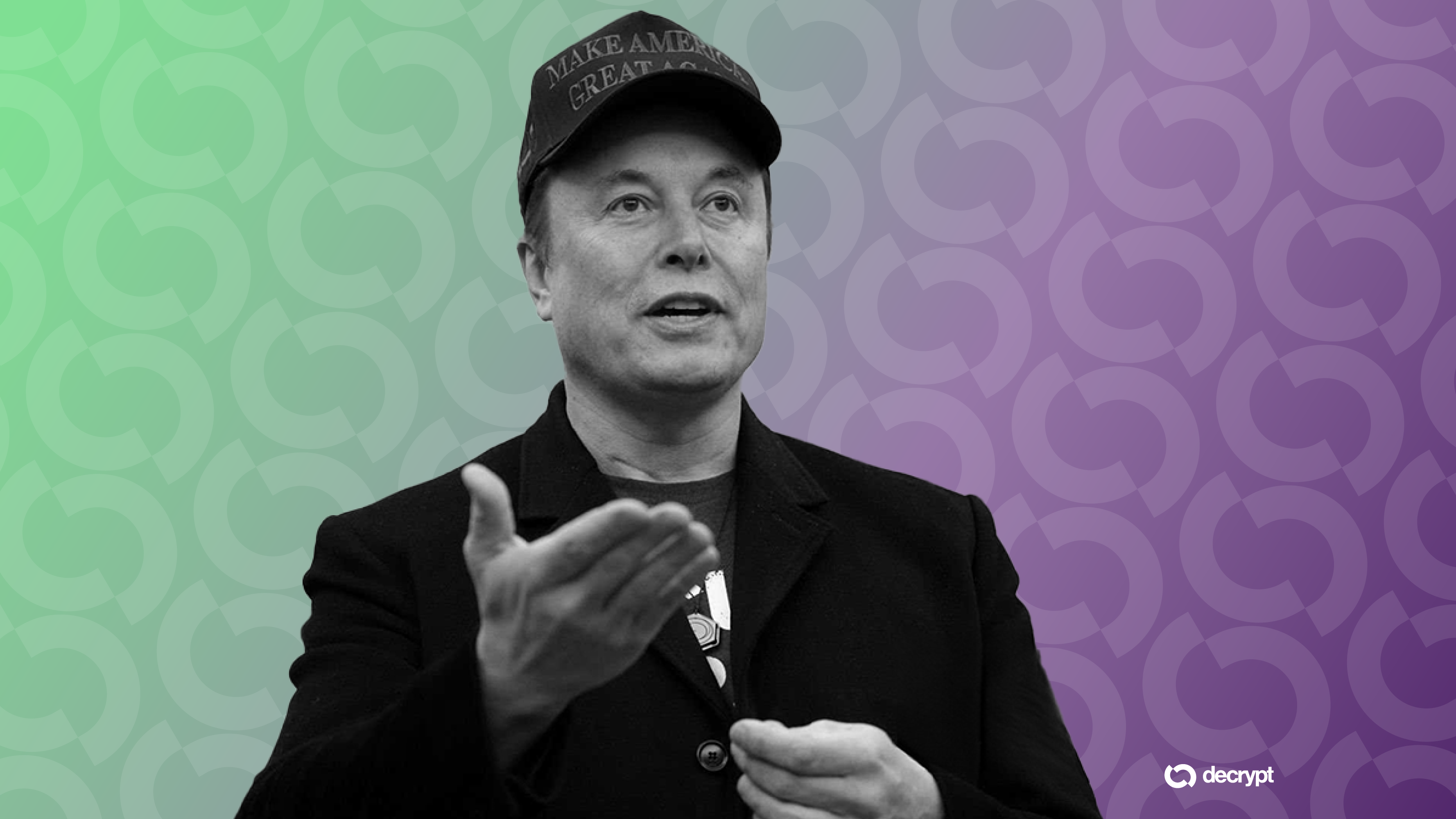
SpaceX has signed a binding commitment for roughly $40 billion of artificial-intelligence chips, while Elon Musk warned that lenders are pulling back from companies whose income depends mainly on AI data centers. The deal highlights growing concern over whether specialist computing providers can earn enough from expensive hardware to cover their financing costs.
SpaceX’s GPU financing plan
According to Decrypt, an entity managed by Apollo Global Management will purchase graphics processing units, or GPUs, and lease them to SpaceX. GPUs are the specialized processors used to train and run AI models. SpaceX absorbed xAI in February, and the chips covered by the arrangement are intended for its data centers.
The arrangement is described in a regulatory filing as a finance lease rather than a conventional bank loan. In practice, that means SpaceX will make payments over time while using the equipment, with the structure functioning in a similar way to borrowing money to acquire the hardware.
SpaceX is expected to repay about $40 billion in principal through quarterly installments over approximately five years. Interest will be charged at a fixed rate, although that rate has not yet been determined. The GPUs are due to arrive in batches, with the leases scheduled to begin during the first half of 2027.
The company said it expects to complete the master finance lease before the end of 2026. Until then, the final interest cost remains unknown.
Musk points to a funding divide
Musk said on X that debt markets had “almost entirely” stopped providing money to companies without substantial revenue outside AI data centers. He contrasted those businesses with SpaceX, saying the company had secured $40 billion for GPUs because it is investment grade and has revenue from Starlink and rocket launches.
An investment-grade credit rating indicates that lenders view a borrower as relatively unlikely to miss payments. Moody’s rated SpaceX Baa1 in June, an investment-grade level. Starlink is SpaceX’s satellite-internet business, while launches provide another source of revenue unrelated to AI data centers.
Musk said more than 200 “neoclouds” could face severe failure and consolidation. Neoclouds are specialist providers that buy or lease large quantities of GPUs and rent computing capacity to AI developers. Their business model depends on keeping the equipment busy enough, and pricing high enough, to cover hardware, operating and financing costs.
The financing structure also illustrates why investors are focused on the durability of demand. GPUs can lose value quickly as newer technology becomes available, while financing agreements may run for several years. That creates a risk that equipment remains valuable for less time than the debt or lease payments last.
Pressure builds across specialist AI computing
CoreWeave, the largest neocloud identified in the source material, began in 2017 as an Ethereum-mining company using graphics cards before shifting toward AI after Ethereum retired mining in 2022. Its shares fell about 30%, from $87 on September 30 to $61 on October 16. The company carries roughly $50 billion in debt.
CoreWeave’s unsecured bonds yielded about 15% in mid-October. Because unsecured debt is not backed by specific pledged assets, that yield reflects the return investors demanded to lend to the company at the time. A higher yield generally signals that lenders view the borrowing as carrying greater risk.
The company also recorded nearly $1.4 billion in depreciation and amortization during the second quarter, compared with approximately $2.6 billion in revenue. Depreciation and amortization are accounting charges that spread the cost of assets over time as hardware wears out or loses value.
Ken Griffin, the founder of Citadel, told the firm’s markets conference on October 20 that GPUs could behave like airline seats: once capacity exists, adding another unit costs relatively little, so prices can drop sharply if supply exceeds demand.
Venture capitalist Chamath Palihapitiya separately forecast a turbulent 2027. He said delays in the existing AI-computing pipeline could leave more capacity idle than expected, while major cloud companies such as Amazon, Microsoft and Google could prioritize their own computing needs over third-party providers.
Palihapitiya described the potential problem as “stranded” hardware: equipment that has already been purchased but generates less income than the cost of financing it. He said 2027 could bring both a clearing-out of unsuccessful investments and consolidation among surviving companies.
Moneyiar market picture
Moneyiar data as of October 25, 2026, at 22:39 +03:30 showed mixed performance among the listed crypto assets:
- Polygon (prev. MATIC), now shown as POL, was $0.0898082186, up 0.39% over 24 hours and down 0.74% over seven days.
- Lighter (LIT) was $3.1819342396, down 1.45% over 24 hours but up 5.12% over seven days.
- Compound (COMP) was $21.1287447338, down 10.42% over 24 hours and up 0.3% over seven days.
These figures are separate from the SpaceX financing and do not measure the performance of AI infrastructure companies.





