
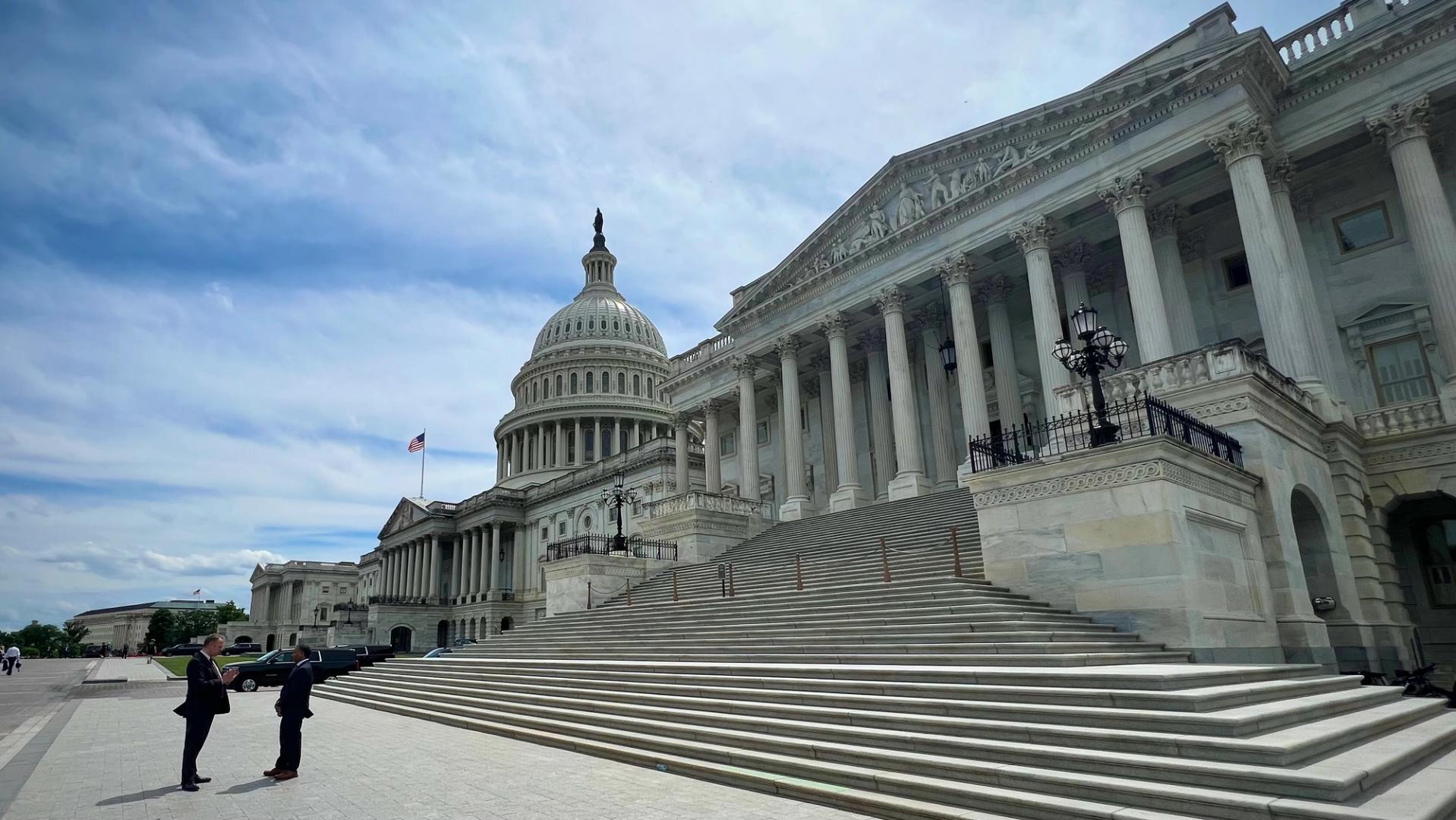
The approaching U.S. midterm election is placing the future direction of cryptocurrency policy under renewed scrutiny, as control of Congress could change the legislative and oversight environment for the industry.
The election is scheduled for Nov. 3, with voters deciding which party will control the House of Representatives and the Senate. According to CoinDesk, polling as of Oct. 2 indicated that Democrats were favored to take the House, while the Senate remained too close to call. Prediction-market participants on Kalshi and Polymarket were also, at the time cited, pricing in a Democratic takeover of both chambers.
The result would matter to crypto businesses well beyond party control in Washington. Congress oversees federal financial regulators, approves agency budgets and determines whether new legislation can advance. That makes the election relevant to the Securities and Exchange Commission, Commodity Futures Trading Commission, Office of the Comptroller of the Currency, Treasury Department and other bodies involved in crypto regulation.
Why Congress matters for crypto
The crypto industry has spent much of the past year watching regulatory agencies and lawmakers debate how digital assets should fit within the U.S. financial system. Although agencies will continue their own rulemaking work next year, Congress can shape the boundaries of that work through legislation, oversight hearings and funding decisions.
The stalled Clarity Act is part of that broader debate. The proposed legislation was intended, in part, to clarify how federal agencies could interact with crypto. Its collapse last month has shifted attention toward what regulators may do next, but it has not removed Congress from the policy process.
A change in congressional control could influence the intensity and direction of oversight. Lawmakers may examine agency decisions, call officials to testify and investigate how regulators are approaching crypto companies and products. The political balance could also affect the relationships that digital-asset firms need to maintain with the majority parties in each chamber.
Tax legislation is a more immediate possibility
While the prospects for another market-structure bill remain uncertain, crypto taxation appears to have a clearer path onto the congressional agenda. The House Ways and Means Committee approved a crypto tax bill last month with substantial bipartisan support. In the Senate, Senator Steve Daines introduced a crypto tax bill during the week before the report was published.
Tax legislation can affect how digital-asset transactions and related activities are treated, although the source material does not specify the provisions of either bill. The House committee action and the Senate introduction nevertheless show that lawmakers are continuing to work on crypto issues even as the industry focuses on the fallout from the Clarity Act’s collapse.
Hearings are also likely next year. Their subject and scope will depend partly on the election result and the priorities of the next Congress. The same applies to any attempt to revive or replace broader market-structure legislation.
Political spending and industry concerns
Crypto-linked political spending has been visible in the campaign, but the sector’s involvement has so far been concentrated. Fairshake, a super PAC funded by several industry companies, announced $30 million in spending targeting former Senator Sherrod Brown. The Digital Freedom Fund, funded primarily by Gemini founders Cameron and Tyler Winklevoss, announced a further $3 million targeting Brown.
Fairshake told CoinDesk on Oct. 1 that it had no additional expenditures to announce at that time. With the Nov. 3 vote approaching, campaigns and political groups also face the possibility that late advertising purchases will become more expensive.
Some industry participants are concerned that a Democratic-controlled Congress could subpoena crypto companies with close ties to President Donald Trump’s administration. Those concerns relate to the president’s business connections in the crypto sector. Whether such inquiries occur would depend on the priorities of the new Congress and its committees.
Moneyiar market picture
Moneyiar data at the stated times on Oct. 5 show a mixed picture among the four listed crypto assets:
- Monad (MON) was priced at $0.0324794127 at 09:33 +03:30, down 5.14% over 24 hours but up 16.22% over seven days.
- Nexus (NEX) stood at $0.0000008249 at 09:34 +03:30, down 0.58% over 24 hours and up 1.49% over seven days.
- AKEDO (AKE) traded at $0.031791705 at 09:33 +03:30, falling 7.16% in 24 hours while gaining 8.48% over seven days.
- ONEchain (ONE) was at $0.1481029642 at 09:34 +03:30, rising 3.25% over 24 hours but down 1.48% for the week.
These figures describe the selected assets at those specific times and do not indicate how the election or future policy decisions will affect the wider crypto market. For the industry, the immediate political question remains which party will control Congress after Nov. 3—and how that result will shape regulation, taxation, oversight and agency funding in 2027.




