
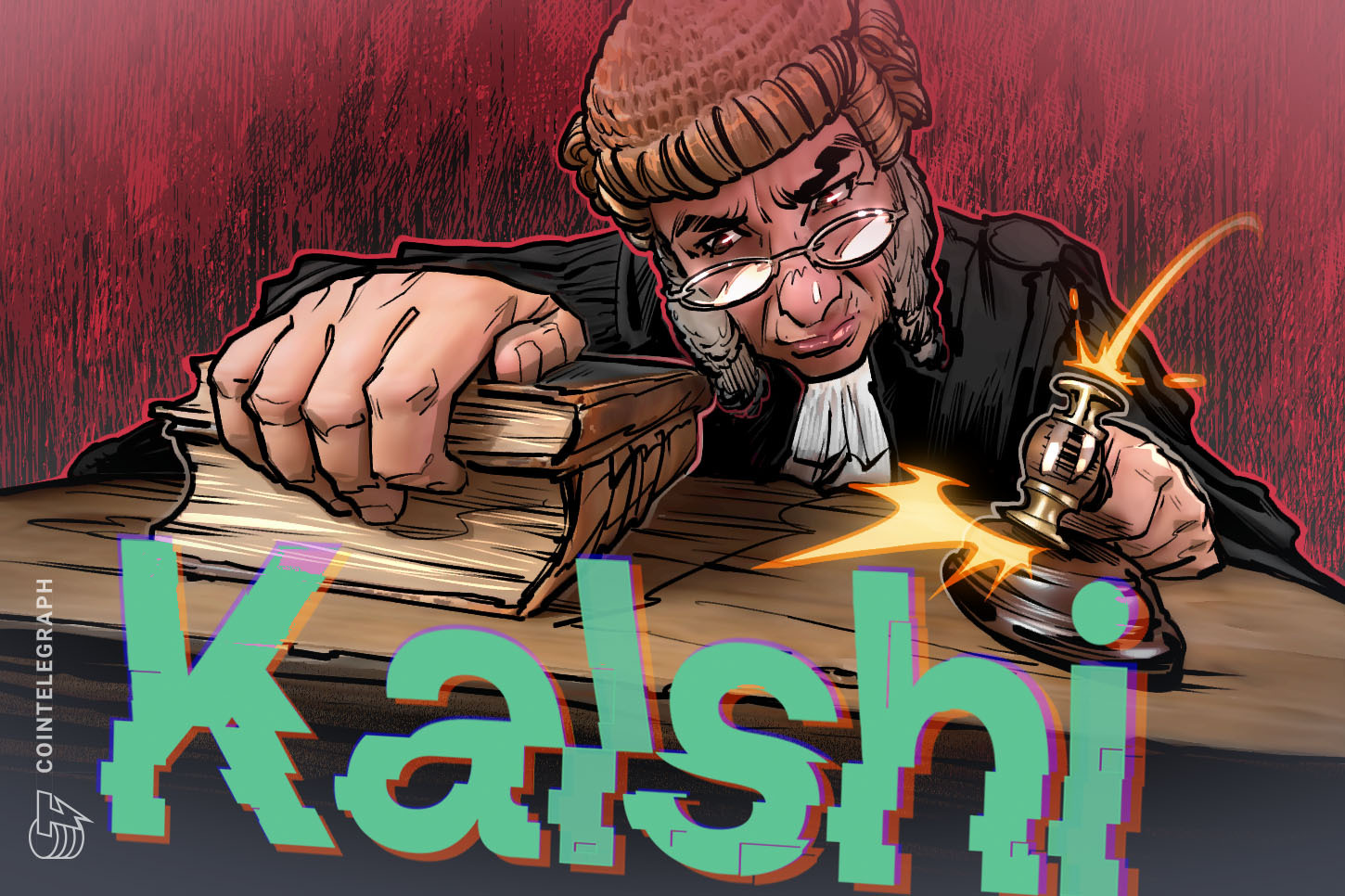
Utah Attorney General Derek Brown has filed a civil lawsuit against prediction-markets platform Kalshi, related companies and two Susquehanna trading firms, accusing them of facilitating illegal betting in the state since 2024. State officials are asking a court to halt the activity and order the return of an estimated $30 million to $60 million in profits.
Brown announced the lawsuit during a Tuesday press briefing. He described Kalshi’s operation as a “public nuisance” and said it was causing “significant and substantial ongoing harm” to Utah residents.
According to Cointelegraph, Utah officials allege that Kalshi offered its services to more than 32,000 users in the state. The attorney general said those users experienced significant losses through event contracts, which allow participants to trade on the outcome of events. The contracts at issue include markets linked to sports, elections, politics, culture and other topics.
Utah seeks to stop Kalshi’s operations
The lawsuit asks the court to prevent Kalshi from continuing to offer the disputed markets in Utah. It also seeks the return of profits that state officials say the companies generated through contracts they consider illegal betting under Utah law.
Brown said the state had determined that the activity represented ongoing harm to a substantial number of Utah residents. His office is therefore pursuing both an injunction and the recovery of money allegedly earned through the contracts.
The case is part of a broader dispute over how prediction markets should be regulated. Kalshi presents itself as a federally regulated financial exchange, while state officials in Utah and elsewhere argue that some of its event contracts function as gambling and fall under state gambling laws.
Dispute over state and federal authority
Kalshi previously sued Utah in February, after state lawmakers passed legislation classifying betting on prediction markets as gambling under state law. In August, a judge sided with Utah officials, ruling that federal laws administered by the US Commodity Futures Trading Commission, or CFTC, did not override the state’s gambling rules.
Kalshi then sought an injunction from an appellate court that would have allowed it to continue operating while the legal challenge proceeded. That request was denied in September, preventing the platform from operating in Utah during the appeal.
Kalshi rejected the attorney general’s characterization of its business. Spokesperson Jacki McGavick said the company’s customers trade with one another and determine prices, comparing Kalshi with the stock market. She said Kalshi operates as a national derivatives market under CFTC oversight and argued that federal law governs its event contracts.
McGavick also said the latest state-court lawsuit does not affect Kalshi’s continuing federal litigation. The company’s position is that an individual state should not be able to block a federally regulated exchange from operating.
Legal challenges spread across the US
Utah’s lawsuit is one of several civil cases brought by US state authorities against prediction-market companies, including Kalshi and Polymarket. Many of the disputes involve contracts connected to sports outcomes.
Arizona is currently the only state pursuing criminal charges against Kalshi, according to the source material. Civil actions involving one or more prediction-market companies have also been filed in Michigan, Ohio, Kentucky, Nevada, Massachusetts, Wisconsin and New York.
The conflict could eventually reach the US Supreme Court. The court is considering whether to accept a petition related to New Jersey’s separate case against Kalshi over allegedly illegal sports bets. If the justices take the case, a ruling could help clarify whether state authorities may regulate these platforms or whether the CFTC has exclusive jurisdiction over their event contracts.
The outcome would have implications beyond Utah because prediction markets operate at the intersection of financial trading and wagering. The central question is whether event contracts should be treated primarily as derivatives overseen by a federal regulator or as bets governed by state gambling laws.
Current market picture
Moneyiar market data at 8:39 a.m. on October 21, 2026, showed mixed performance among the listed digital assets:
- Celestia (TIA): $0.6339353261, up 0.84% over 24 hours and 14.24% over seven days.
- Compound (COMP): $25.6380336134, up 19.83% over 24 hours and 11.3% over seven days.
- RedStone (RED): $0.1441545397, up 5.39% over 24 hours but down 8.61% over seven days.
- Propy (PRO): $0.347261961, up 0.86% over 24 hours but down 8.74% over seven days.
These figures describe the listed assets’ market movements and are separate from the legal dispute involving Kalshi.





