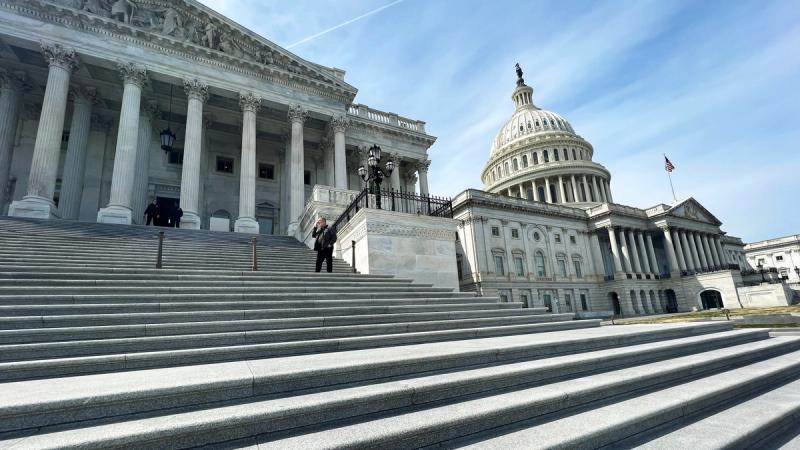
Patrick Witt, the White House executive director of the President’s Council of Advisors for Digital Assets, has left government service for the private sector, according to CoinDesk. His departure leaves the administration without a publicly identified senior crypto adviser while U.S. digital-asset policymaking continues across the executive branch.
White House crypto role has no named successor
Witt was the most recent adviser associated with President Donald Trump’s crypto policy team. He announced last week that he was leaving government, but the White House has not publicly named a replacement.
The departure follows earlier exits by Harry Jung and Bo Hines, adding to uncertainty over who will coordinate the administration’s digital-asset priorities. Witt’s role was tied to the President’s Council of Advisors for Digital Assets, a body intended to help shape the government’s approach to cryptocurrencies and related financial technology.
The absence of a publicly named crypto chief does not mean that work on digital assets has stopped. A White House official told CoinDesk that cryptocurrency and the Digital Asset Market Clarity Act remain areas of focus for Trump. However, the change in personnel raises questions about how those priorities will be represented and coordinated inside the administration.
Policy work continues across agencies
The executive branch is still working on rulemaking and other digital-asset initiatives. Several federal agencies are involved, including the Securities and Exchange Commission, the Commodity Futures Trading Commission and the Office of the Comptroller of the Currency. The Treasury Department is also part of the broader policymaking effort.
Rulemaking is different from legislation. Agencies can develop and implement regulations within their legal authority, while Congress must pass laws to create new statutory frameworks. The two processes can overlap, particularly when lawmakers are considering legislation that would clarify how digital assets are regulated.
The Digital Asset Market Clarity Act is expected to remain part of that policy discussion. The source material does not specify the bill’s current legislative status, but it identifies the measure as a continuing focus for the White House.
CoinDesk reported that there were no tracked congressional hearings on the subject during the week covered by its report. That absence does not resolve the broader policy questions facing the administration, particularly as agencies continue their regulatory work.
2027 could bring a demanding policy agenda
The next major test for the White House is expected after a new Congress is sworn in. The administration will likely need a liaison able to work with lawmakers on another attempt at crypto legislation.
According to CoinDesk’s report, the legislative sequence may begin with tax legislation before moving to market-structure reform. The source also says the political environment could become more difficult if Democrats take control of the House of Representatives in the midterm election.
That combination would give the White House several issues to manage at once:
- finding a successor or replacement structure for the senior crypto policy role;
- coordinating with Congress on potential tax and market-structure legislation; and
- responding to rulemaking by financial regulators and the Treasury Department.
The White House’s public commitment to digital-asset policy therefore remains, but its personnel structure is in transition. Until a successor to Witt is identified, responsibility for maintaining a visible link between the administration, Congress and the agencies will remain an open question.
Moneyiar market picture
Moneyiar data at 2026-08-20 21:13 +03:30 shows DEAPcoin (DEP) trading at $0.0009897724. The token was down 0.07% over 24 hours and 0.42% over seven days. This market snapshot is separate from the White House personnel change and does not indicate a direct market reaction to Witt’s departure.