Bitcoin Slides Ahead of Senate Clarity Act Vote and Fed Rate Decision
Bitcoin gave back its entire post-golden-cross advance as markets awaited an afternoon Senate vote on the Clarity Act and faced the prospect of a Federal Reserve rate hike.
See the market, related assets, source and summary before opening a story so you can focus on what matters.
415 stories in this section
Bitcoin gave back its entire post-golden-cross advance as markets awaited an afternoon Senate vote on the Clarity Act and faced the prospect of a Federal Reserve rate hike.
Standard Chartered forecasts a 70-fold rise in Arbitrum’s ARB token to $10, citing tokenization and Robinhood Chain revenue. The bank expects Arbitrum to attract traditional finance, although ARB holders currently have no direct fee claim.
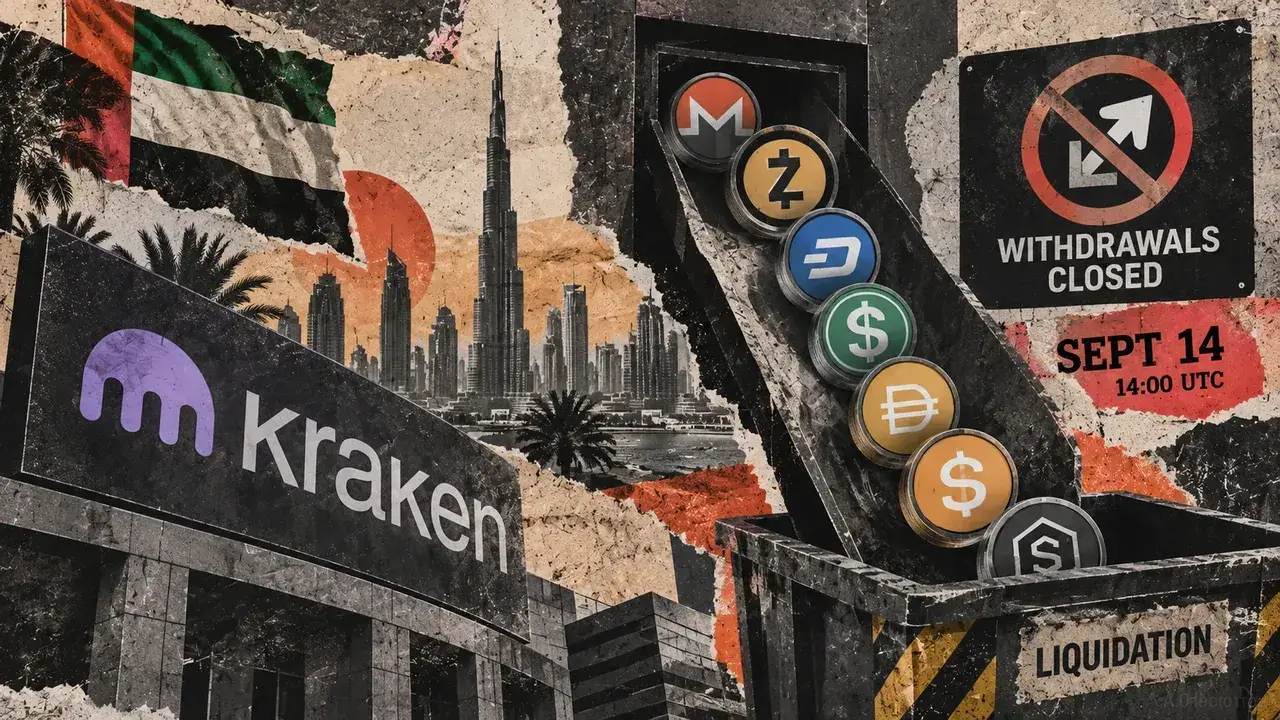
Kraken’s new xStocks vaults allow investors to seek DeFi yield by lending tokenized Nvidia shares and major U.S. stock-market ETFs. Cointelegraph reported the offering, but provided no details on rates or terms.
The CLARITY Act faces resistance from 18 state attorneys general before a key Senate vote. They say the revised bill would weaken state oversight, despite an ethics concession addressing another hurdle.
Bitcoin advanced as calls by AI executives to slow capability gains pressured Nvidia, Intel, AMD and other chip stocks, according to Decrypt. The cryptocurrency moved higher despite the negative reaction in AI-related equities.
Bitmine has staked more than 5 million ETH and projects $334 million in annual staking revenue from its $15.8 billion crypto treasury, according to Cointelegraph, while continuing to accumulate Ether.
Hyperliquid’s buybacks have helped lift HYPE to all-time highs, but CoinMarketCap’s Alice Liu warns that Binance could threaten the revenue used to fund them, potentially putting pressure on the token’s support mechanism.
EU cyber rules require crypto wallet providers to file an early vulnerability report within 24 hours and a full notification within 72 hours of an exploit, with fines of up to $17.3 million for noncompliance.
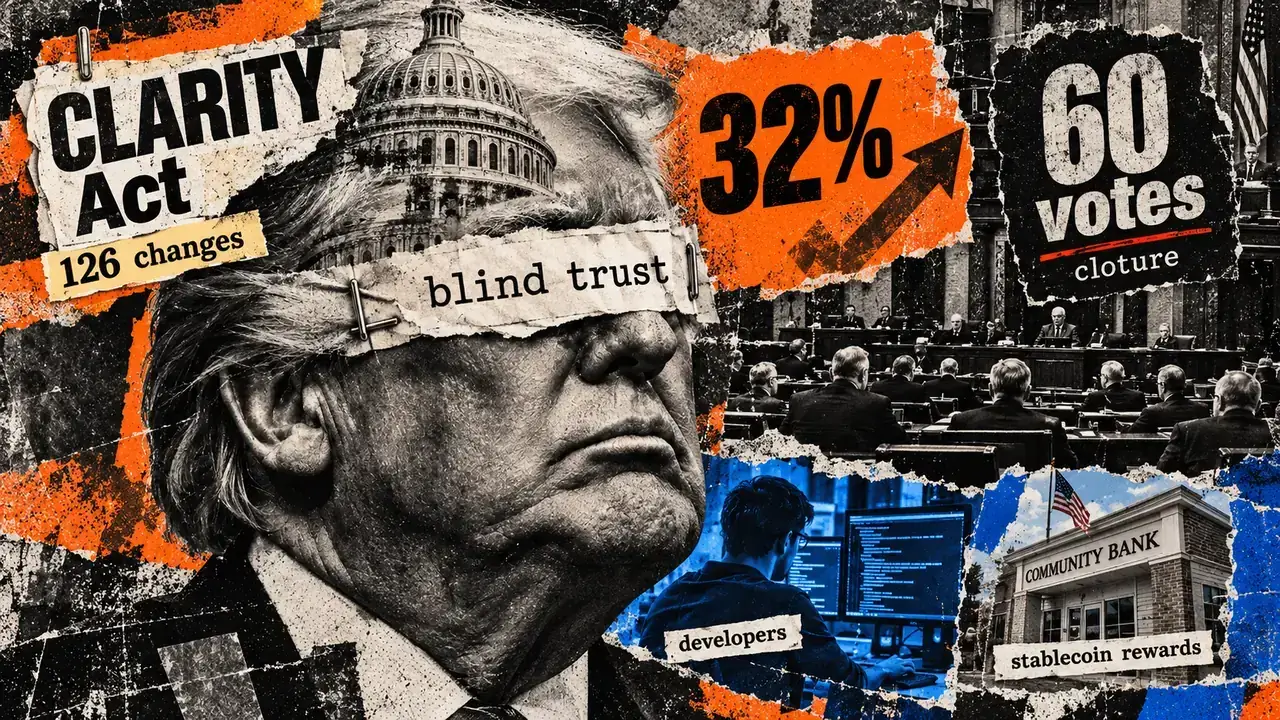
Polymarket traders lifted the CLARITY Act’s 2026 enactment odds above 32% after Senate Republicans published a 635-page compromise ahead of Tuesday’s cloture vote, marking the highest probability since Aug. 2.
CryptoSlate reports that hackers minted trillions of fake Bitcoin, while 15 BTC was recovered. The native bridge remains paused, liquidity providers are unpaid, and final accounting continues as a 20% bounty window closes September 13.
Circle’s $400 million Tazapay deal is aimed at expanding USDC in emerging markets, where Tether has long been strong. The transaction provides market links and relationships that could otherwise take years to establish.
The crypto industry is watching a possible September 15 vote on the Clarity Act, but CoinDesk says it may be canceled, delayed or reintroduced in another form. The legislation’s immediate path remains uncertain.
Revolut said a fraudster using a government agency domain obtained passports, selfies and financial transaction histories from some customers. Cointelegraph reported the disclosure, without specifying the number of affected users.
Revolut exposed passports and complete crypto transaction histories belonging to a limited number of users after fulfilling a fraudulent request sent from a government agency’s own email domain, Decrypt reported.
Cointelegraph reports that North Korea is using IT workers from third countries to pass interviews for jobs at US companies. North Korean operatives allegedly take over those positions after the workers secure employment.