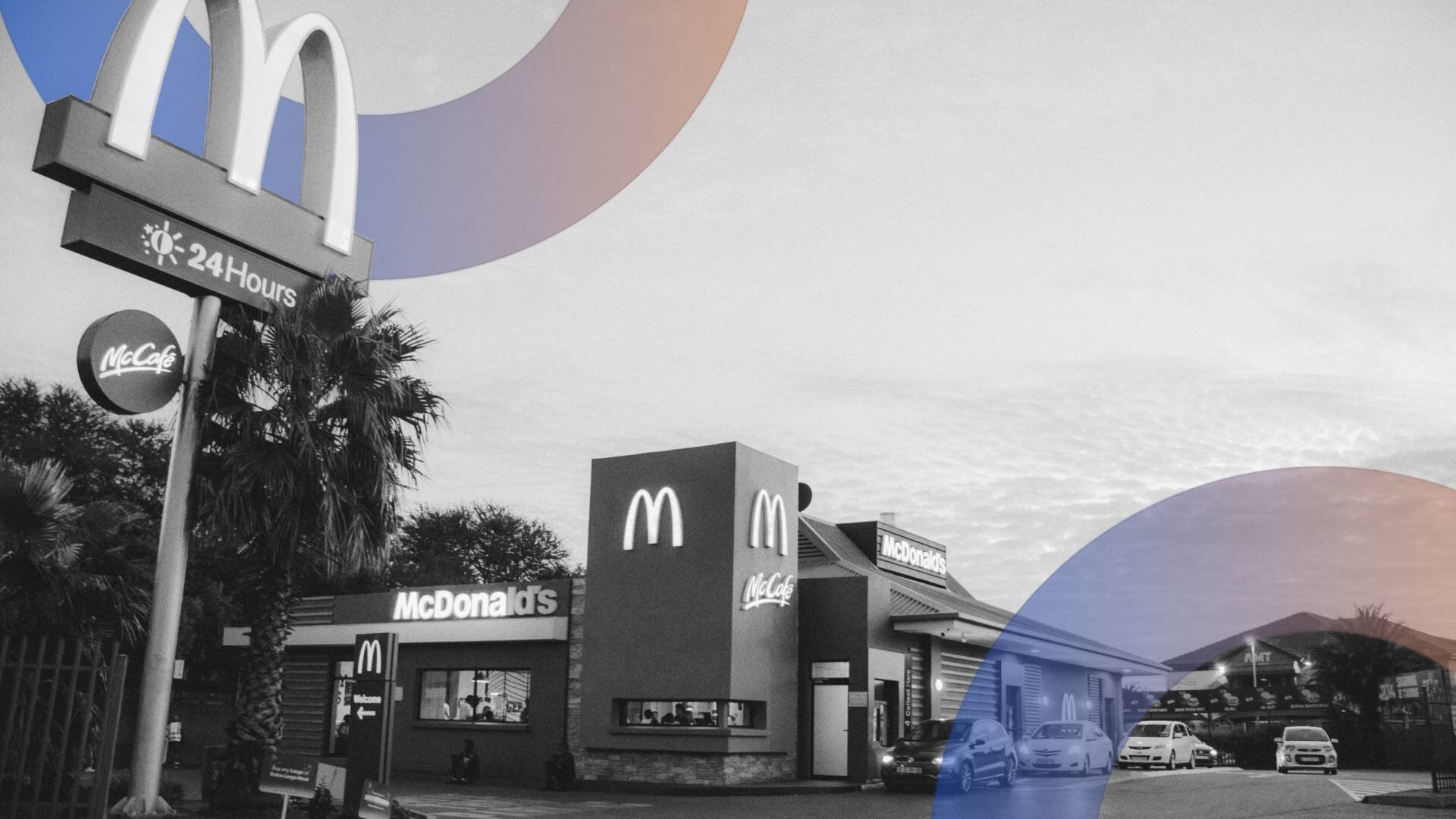
McDonald’s is using machine-learning software to recommend menu prices at nearly 14,000 restaurants, with the system estimating how much customers in each location may be willing to pay. The pricing platform has drawn scrutiny from franchisees over widening differences between nearby restaurants and from consumers concerned about individualized or location-based pricing.
According to Decrypt, reporting by Reuters found that the system processes millions of daily transactions and produces an “optimal price” for each menu item at each restaurant. One factor in its recommendations is the estimated willingness to pay of customers in the area surrounding a particular location.
How McDonald’s pricing system works
Screenshots of the interface reviewed by Reuters showed the platform assigning restaurants different levels of price sensitivity. One example described a location as showing “MEDIUM SENSITIVITY to price,” based in part on “customer willingness to pay in your area.”
The system also considers prices published by nearby competitors. It collects menu prices from online listings for chains including Wendy’s and Burger King. Both of those companies told Reuters that they do not use artificial intelligence in their pricing decisions.
Machine learning generally refers to software that identifies patterns in large datasets and uses them to generate recommendations or predictions. In this case, the data includes transaction activity from McDonald’s restaurants, while the resulting recommendations are intended to help determine prices for individual menu items at individual locations.
The platform is operated by Tiger Analytics, according to two former employees of the company cited by Reuters. McDonald’s provides the rules and corporate targets that shape the recommendations. Those parameters have included focusing increases on products whose prices have not risen for two years, as well as excluding ice cream and soft drinks from increases during the summer.
Tiger Analytics declined to comment to Reuters.
Franchisees face pressure over recommendations
McDonald’s says franchisees remain responsible for setting their own prices and describes the pricing portal as a tool rather than a mandate. The company said the system is designed to provide restaurant-specific recommendations, noting that operating costs can differ between restaurants that are only a few miles apart but serve distinct markets.
Several franchisees gave Reuters a different account of how the system operates in practice. Five owners said McDonald’s pressures them to follow the recommendations. Three franchisees said the engine has increased price differences between restaurants selling the same product, including locations in nearby neighborhoods.
A comparison cited in the reporting illustrated the potential gap. In September, Reuters found through the McDonald’s app that one company-operated restaurant in Fresno, California, listed a Big Mac at $5.69, while another company-operated location two miles away charged $6.89. The second price was 21% higher. Reuters said it could not establish whether the pricing engine caused that difference.
A June document reportedly showed that McDonald’s records franchisees’ deviations from the system’s recommendations. Beginning in January, franchisees were required to engage “constructively” with the company’s approved pricing consultant and tools. Chief Executive Chris Kempczinski reportedly told investors in August that “pricing non-compliance in certain cases” is considered in franchisee business reviews.
The legal terms for the pricing portal warn restaurant owners that they “may be competitors” of one another and must comply with antitrust law. McDonald’s said it takes antitrust compliance seriously and characterized Reuters’ reporting as “speculative and uninformed.”
Why the system is attracting attention
Location-based pricing is not necessarily the same as charging every individual customer a different price. In McDonald’s case, the reporting describes recommendations made for particular restaurants, using local demand and competitor information as inputs. However, wider price gaps between nearby outlets can still make the price of the same meal vary substantially depending on where a customer orders.
The issue also follows previous controversy over technology-assisted pricing in consumer businesses. Wendy’s faced criticism in 2024 after reports suggested it planned to charge more during busy periods. The company said those reports misunderstood an earnings update about digital menu boards, which it said would allow more flexibility in displaying menus and offering discounts. Wendy’s also said it would not raise prices when customers were visiting most.
Instacart ended a limited test of artificial-intelligence tools that displayed different grocery prices to different shoppers in December. Those episodes have made consumers more attentive to whether digital systems are being used to adjust prices based on time, location or perceived willingness to pay.
For McDonald’s, the central question is how much influence the recommendations have over franchise-level decisions. The company says the portal provides guidance, while franchisees cited by Reuters describe expectations to follow it. The reporting does not establish that the system directly caused the Fresno price difference or that McDonald’s charges different prices to individual customers based on personal profiles.
Moneyiar market picture
Moneyiar data at the stated times show mixed moves among the listed digital assets:
- Decimal (DEL) was priced at $0.4320905509 at 09:33 on October 1, 2026, up 2.78% over 24 hours but down 9.12% over seven days.
- Alchemy Pay (ACH) stood at $0.0060904126 at the same time, down 1.18% in 24 hours and up 9.85% over seven days.
- Aura (AURA) was $0.0321385964 at 16:04 on August 28, 2026, up 3.45% over 24 hours and 121.96% over seven days.