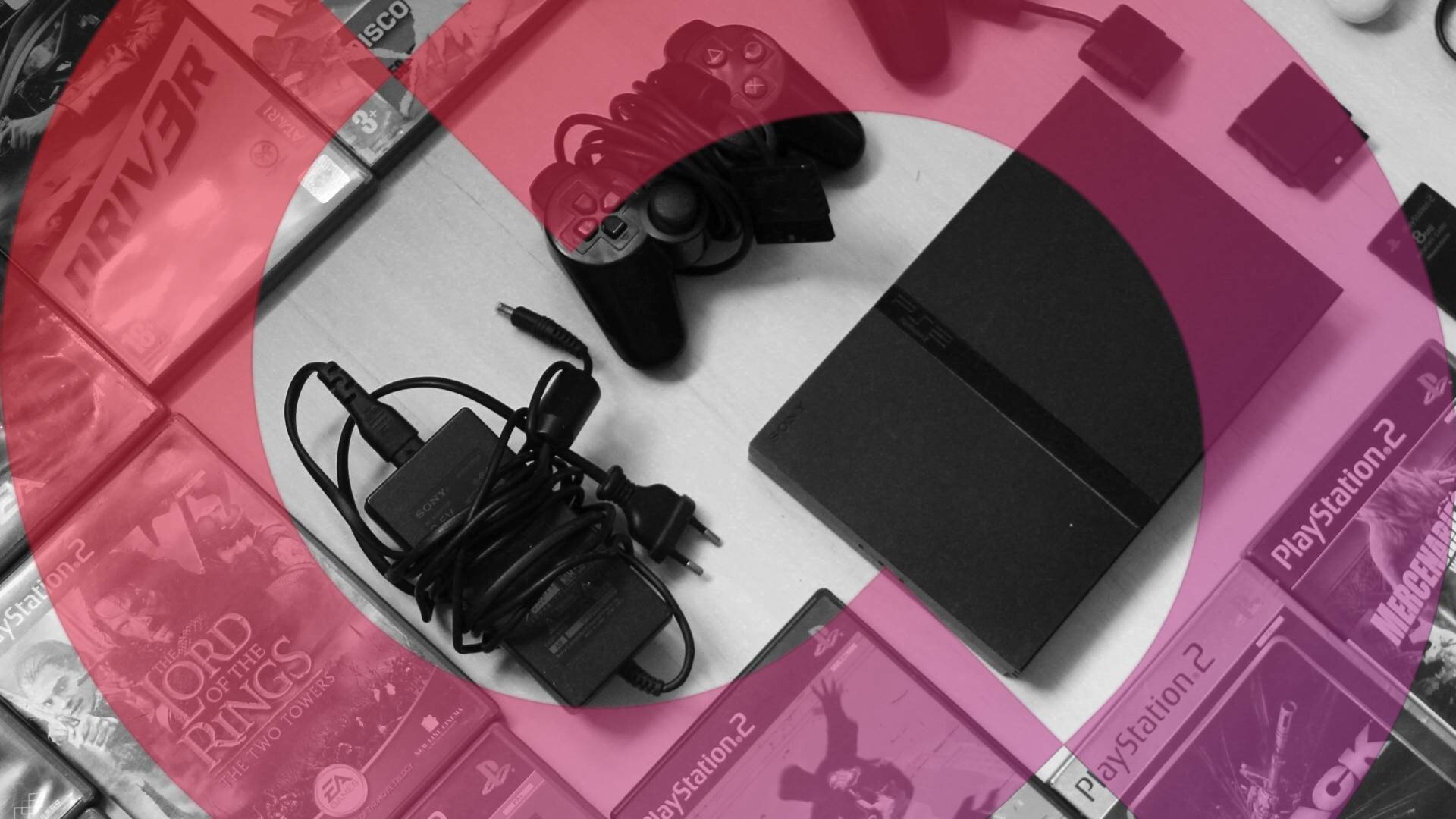
PlayStation founder Ken Kutaragi has described the anger over Sony’s planned end to physical game-disc production as a question of how players think about ownership. His comments come as fans and industry veterans challenge the company’s decision to stop making discs from 2028.
Kutaragi said physical discs have become a symbol of owning a game, but argued that ownership is not economically necessary for a network-connected device. The remarks add a prominent industry voice to a debate over whether buying a digital title gives consumers meaningful ownership, or only continued access under terms controlled by a platform operator.
According to Decrypt, Kutaragi made the comments at the Game Republic New Horizons event. He said he understood why players were upset, while suggesting that their attachment to physical media reflected a “mentality issue.”
Sony’s 2028 decision faces a strong reaction
Sony’s plan to discontinue production of game discs in 2028 has prompted a substantial backlash from PlayStation fans. More than 385,000 people have signed a petition titled “Don’t Kill the Disc,” reflecting opposition to the company’s move away from physical releases.
The controversy is not limited to consumers. Former PlayStation executive Shawn Layden described the decision as a “heavily spreadsheeted decision” and said it had harmed Sony’s reputation. His criticism points to the wider tension between the financial logic of reducing physical production and the emotional value players attach to boxed games.
Discs can serve several roles at once. They are a way to install or access a game, a physical item that can be displayed or collected, and an asset that can potentially be resold. Digital purchases do not offer the same physical presence, while access to them depends on the platform and the terms under which the purchase is made.
Sony has argued in court filings that no reasonable consumer believes they own digital games purchased through the PlayStation Store. The company’s position is that such transactions amount to buying a revocable licence rather than acquiring the game outright. That distinction has become central to the disagreement between Sony’s digital model and players who regard a purchase as ownership.
Veterans say publishers benefit most
Robert Bowling, a former creative strategist for Infinity Ward and now studio head at //18.bravo, told Decrypt that publishers are the parties pushing to eliminate physical discs. He linked the move to higher profit margins through lower production costs and to the weakening of the used-game market associated with retailers such as GameStop.
Bowling said the dispute exposes a divide within the games business. One side treats games primarily as software products, while the other sees them as art, entertainment, collectibles and part of a lifestyle. Under that view, a disc is not merely packaging or a delivery method; it is part of the product’s value to the customer.
Chris Heatherly, another games industry veteran, said corporate leaders could no longer expect to announce major changes without engaging directly with their audience. He argued that Sony was not in dialogue with its community and had misjudged how the decision would be received.
Heatherly also pointed to collecting as evidence that ownership matters to players even when they do not immediately use what they buy. He noted that people purchase more games on Steam than they play, arguing that collecting those titles is itself a form of ownership. At the same time, he acknowledged that wanting permanent ownership of online multiplayer games is not entirely consistent, because the publisher generally controls the servers needed to operate them.
The argument over what ownership should mean
Kutaragi’s comments reflect the industry’s shift toward network-connected hardware and digital distribution. His comparison with smartphones was intended to show that users generally accept digital content without requiring a physical item to represent it. For critics, however, the issue is not simply whether a disc is convenient or necessary. It is whether a customer can retain access, transfer a purchase or resell it after paying for a game.
Heatherly said there could be a middle ground between conventional discs and revocable digital licences. He suggested models based on local, permanent access and peer-to-peer online services, while rejecting what he called “fake financialized ownership like web3.” The proposal underscores that the dispute is about control and durability as much as format.
Kutaragi retired from PlayStation in 2007 and is best known for shaping the first three generations of the console. Two additional generations have been released since his departure. He is now chief executive of Ascent Robotics and Cyber AI Entertainment.
The immediate question is how Sony will respond to the sustained criticism before its planned 2028 change. The disagreement has already moved beyond manufacturing costs: it now concerns the meaning of ownership in a games market where platforms can determine how digital purchases are accessed and whether physical copies remain available.
Moneyiar market picture
Moneyiar market data at 11:58-11:59 on October 21, 2026, showed the following prices and moves:
- Lighter (LIT): $3.3988815355, up 7.43% over 24 hours and 1.62% over seven days.
- PlaysOut (PLAY): $0.0349806107, up 12.7% over 24 hours and 28.72% over seven days, based on data at September 25, 2026, 06:29.
- Propy (PRO): $0.3490253466, up 2.08% over 24 hours and down 7.43% over seven days.
- Waves (WAVES): $0.2542123778, up 9.12% over 24 hours and down 0.84% over seven days.