
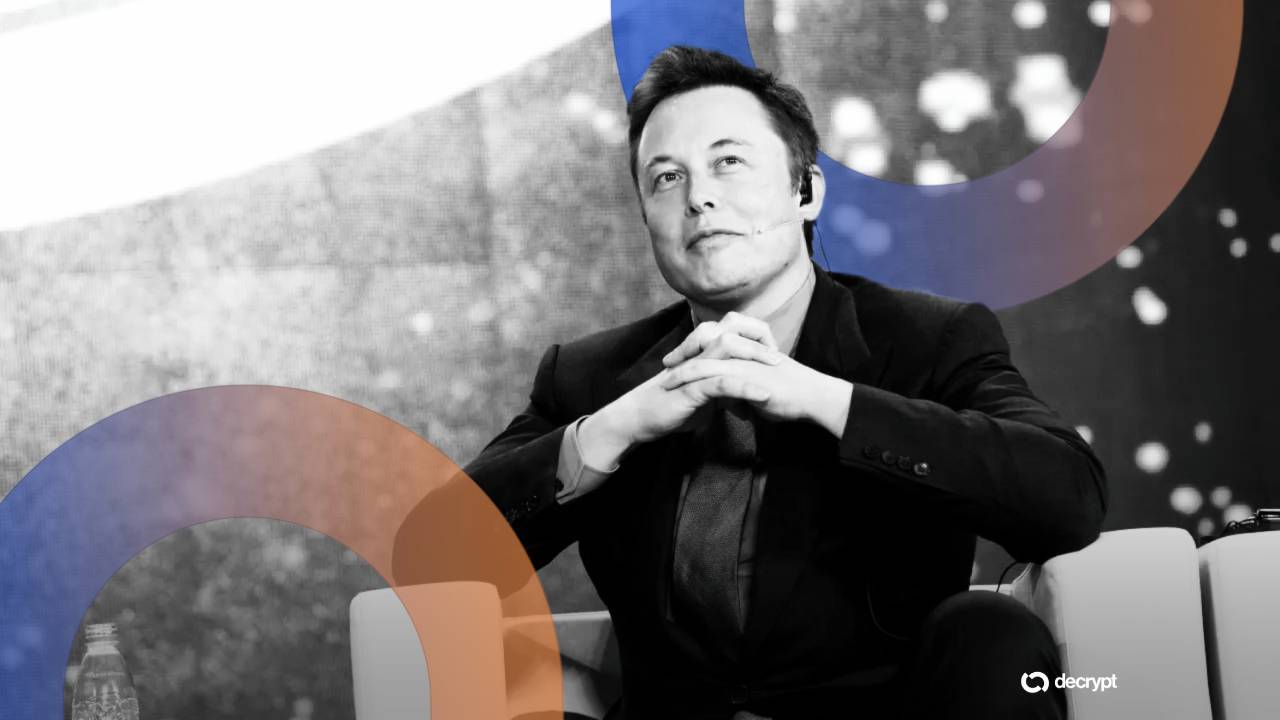
Elon Musk has opened the door to one of the most consequential corporate combinations in the technology and transport industries. SpaceX and Tesla have each created special committees of independent directors to examine a possible merger, although Musk said no agreement has been reached and cautioned that treating a deal as certain would be an overstatement.
A transaction would bring rockets, electric vehicles, satellites, artificial intelligence, chips, humanoid robots and a social-media platform under one corporate roof. According to Decrypt, the potential combination could be worth roughly $3.5 trillion and would give Musk’s businesses a single platform for developing and deploying AI systems.
What the proposed combination would bring together
The merged company would include SpaceX’s assets and projects alongside Tesla’s automotive and robotics operations. The businesses identified by Musk include:
- The Grok chatbot and the X social network
- SpaceX’s Starlink satellite-connectivity network
- The Terafab chip-manufacturing project
- The proposed Starmind orbital data-center system
- Tesla’s robotaxi, or Cybercab, and Optimus humanoid-robot businesses
Musk described the rationale during SpaceX’s third-quarter earnings call as a combination of “superintelligence software, chip design, the Terafab obviously, robotics, mass-to-orbit with the Starmind constellation, connectivity.” In practical terms, that would link AI software with custom chips, robots, vehicles and satellite infrastructure.
The proposed structure would also consolidate businesses that already have significant links. SpaceX is developing computing infrastructure, while Tesla is involved in building a $16.8 billion chip factory in Texas intended to supply Optimus robots, Cybercabs and the planned space-based data centers.
The merger would represent another major consolidation around Musk. Since March 2025, xAI has absorbed X, SpaceX has acquired xAI in a deal that valued the AI company at $250 billion, and SpaceX has gone public in what the source describes as the largest initial public offering ever.
Starmind and the case for orbital computing
The most ambitious element of the plan is Starmind, SpaceX’s proposal to place AI data centers in orbit. The company has asked U.S. regulators to approve as many as 1 million satellites that would run AI models using near-constant sunlight. Musk expects deployments to begin in late 2027 and reach significant scale in 2028.
The argument behind the project is that the rapid expansion of AI is increasing demand for land, electricity and data-center capacity. An Annenberg survey cited in the source found that 61% of Americans oppose new data centers in their local area. About $130 billion in projects were reportedly blocked or delayed during the first quarter of 2026.
However, orbital computing remains unproven. SpaceX’s initial public offering paperwork warned that the technology may not achieve commercial viability. Earlier attempts to move computing infrastructure away from conventional land-based facilities have also produced mixed results. Microsoft tested a submerged data-center project off Scotland, but later ended the program. A Chinese company has since pursued an underwater facility near Shanghai, while a startup called Lonestar has explored lunar data storage.
SpaceX’s financial results provide an additional backdrop to the proposed merger. The company reported third-quarter revenue of $14.58 billion, exceeding analysts’ $12.72 billion expectation, and recorded its first quarterly profit since listing. The source attributed much of that profit to the rental of computing capacity from AI server farms to companies including Anthropic and Google.
Shareholder hurdles and Musk’s control
The proposal faces important corporate-governance hurdles. Tesla shareholder approval would require support from 50% of all outstanding shares, rather than only half of the votes cast. Musk called that “quite a high hurdle,” and Tesla’s annual meeting is scheduled for December 3.
Musk owns about 20% of Tesla. At SpaceX, supervoting shares give him control over most of the votes. Barclays estimates that he could control about 56% of the voting power in a combined company, giving him a substantially stronger grip over Tesla than he currently has.
The exact terms of any deal remain unknown. Dan Ives of Yorkville Ives & Co. said the central issue for Tesla investors would be the price, estimating that Tesla shares might need to be valued at about $550 each to secure approval. That figure is an analyst estimate cited in the source, not an announced merger term.
The combination could also attract scrutiny because SpaceX is a major contractor for the U.S. military, intelligence agencies and NASA, while Tesla depends heavily on its Shanghai factory. The source said that overlap could raise national-security questions in both Washington and Beijing.
Market picture from Moneyiar data
Moneyiar data as of October 22, 2026, at 23:29 +03:30 showed a broadly weaker reading among the listed digital assets:
- Chainlink (LINK): $11.9171842943, down 4.88% over 24 hours and 4.13% over seven days.
- ApeCoin (APE): $0.1353628628, down 8.20% over 24 hours and 5.23% over seven days.
- Data Network (DATA): $0.1480191182, down 6.18% over 24 hours and 22.02% over seven days.
WOULD was the exception, trading at $0.0351412837, up 0.33% over 24 hours and 10.60% over seven days, according to Moneyiar data as of September 22, 2026, at 21:04 +03:30.
Tesla shares rose almost 4% after Musk’s comments became public, while SpaceX rose 10%, its strongest move since June, according to the source. Those market reactions reflected investor interest in the possibility, but they do not change the fact that the committees are still studying the proposal and that shareholder approval would be required.




