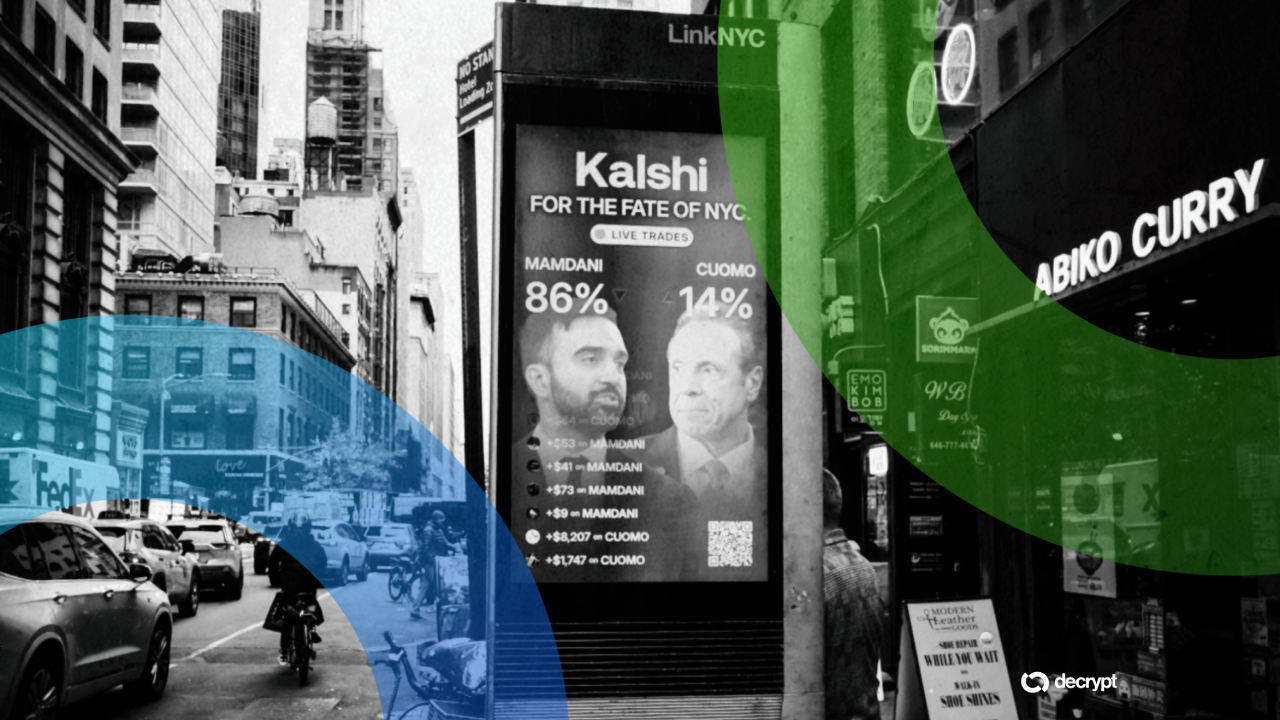
Utah prosecutors have filed felony charges against prediction-market operator Kalshi and its co-founders, accusing the company of illegally promoting gambling through sports-related contracts offered to state residents.
KalshiEX LLC, Chief Executive Tarek Mansour and Chief Operating Officer Luana Lopes Lara each face charges tied to the platform’s activity in Utah. The case adds a criminal dimension to a broader legal dispute over whether states can apply their gambling laws to exchanges regulated at the federal level.
According to Decrypt, citing ABC4, the defendants face one count of pattern of unlawful activity, a second-degree felony; 12 counts of online gambling promotion, each a third-degree felony; and one misdemeanor count of gambling promotion. The charging documents do not specify what penalties prosecutors will seek. The Associated Press reported that the felony counts could carry the possibility of jail time.
Undercover wagers form the basis of the case
Utah prosecutors say a special agent with the Utah State Bureau of Investigation created an undercover Kalshi account while posing as a Utah resident. In September, the agent placed 12 wagers on sports, including NFL and college games, after passing a location check that indicated the account was being used inside the state.
The charges allege that Kalshi earned revenue from fees charged on each wager. Utah Attorney General Derek Brown said the state’s gambling ban applies regardless of how the activity is labeled or whether the operator is federally registered.
“Gambling is illegal in Utah, whether you place the bet, run the game, or promote it,” Brown said in a statement. He added that describing the products as a “prediction market” does not change their nature under Utah law.
Prediction markets allow participants to buy or sell contracts linked to the outcome of an event. Kalshi is a federally regulated exchange, but the dispute centers on whether its sports contracts should be treated as financial-market products or as bets subject to state gambling restrictions.
Kalshi rejected Utah’s allegations. The company called the charges “a crazy overreach” and said Utah was “clearly playing politics.” It said it expects to challenge the state in court, referring to an earlier legal fight in Arizona.
Federal and state authorities are on opposing sides
The criminal case follows several court actions involving Utah, Kalshi and the Commodity Futures Trading Commission. Utah sued Kalshi in state court last week after seeking to apply its gambling laws to the exchange.
One day before Kalshi responded to the charges, the CFTC sued Utah. The federal agency is seeking to stop the state from enforcing its gambling laws against exchanges registered with the CFTC. The action made Utah the 10th state sued by the commission in connection with the regulation of prediction markets.
CFTC Chairman Michael Selig said Congress had given the commission sole responsibility for overseeing these markets. That position puts the federal regulator directly at odds with Utah’s claim that its own anti-gambling laws can be enforced against Kalshi’s activities within the state.
Utah has already prevailed in an earlier stage of the dispute. In August, U.S. District Judge Robert Shelby rejected Kalshi’s attempt to block enforcement, ruling that federal law did not prevent Utah from applying its anti-gambling laws. Kalshi appealed to the Tenth Circuit, but the appeals court denied the company’s request for an injunction in September.
President Donald Trump has supported the CFTC’s position. In May, he said preserving the commission’s exclusive authority over prediction markets was “critically important” and criticized state officials who had challenged the platforms.
Courts remain divided over prediction-market rules
The Utah case is part of a wider national conflict over the legal status of sports contracts on prediction exchanges. Federal appeals courts have reached different conclusions about whether states may regulate those products as gambling.
In April, the Third Circuit ruled that New Jersey could not regulate sports contracts traded on the platforms. By contrast, the Sixth and Ninth Circuits sided with Ohio, Tennessee and Nevada in decisions issued in August and September.
New Jersey has asked the Supreme Court to resolve the disagreement. The state’s request is supported by 39 other states and the District of Columbia. The conflicting rulings have increased the likelihood of further litigation over the boundary between federally regulated prediction markets and state gambling law.
Isaac Rose-Berman, a gambling policy fellow at the American Institute for Boys and Men, told ABC4 that differing judicial decisions are likely to keep the dispute escalating and could eventually bring the question before the Supreme Court.
Moneyiar market picture
Moneyiar market data at the stated times show mixed moves among the tracked digital assets:
- Filecoin (FIL): $0.9256286118, down 0.7% over 24 hours and 10.35% over seven days, as of October 25, 2026, at 22:39 +03:30.
- Horizen (ZEN): $5.7259060904, up 0.09% over 24 hours and down 1.51% over seven days, at the same time.
- Dogelon Mars (ELON): $0.0000000324, up 3.44% over 24 hours and down 1.24% over seven days, as of September 11, 2026, at 20:54 +03:30.
- Fusionist (ACE): $0.2793144821, up 45.34% over 24 hours and 146.86% over seven days, as of August 20, 2026, at 18:44 +03:30.
These figures describe the supplied Moneyiar market data and are separate from the legal dispute involving Kalshi.